A husky dog (Siberian Husky) can live in India only with air-conditioning or a reliably cool room for the hot months. It is a medium-sized sled dog, 50 to 60 cm tall and usually 16 to 28 kg, living about 12 to 15 years, with a thick double coat, huge energy and a love of escaping. At Puppy Hub a Husky puppy costs around ₹50,000 without KCI papers and ₹80,000 to ₹95,000 with KCI registration.
Written by Rishabh Verma, Puppy Hub, East Delhi. Published 23 November 2026.
The husky dog is one of the most searched breeds in India, and it is easy to see why: wolf-like looks, ice-blue eyes and a playful, talkative personality. It is also the breed where we have to be most honest. A Siberian Husky was bred to pull sleds across the Arctic, and an Indian May is the opposite of that.
This guide starts with the question that matters most, whether a husky dog can live in your city, then covers size, eye and coat colours, exercise, food, health and lifespan, and what a fair Husky price in India looks like in 2026. If after reading it you are sure, a Husky can be a wonderful dog. If not, we would rather you choose another breed than have a dog that suffers.

Husky dog at a glance
| Breed | Siberian Husky (FCI group 5) |
| Height when full grown | Females 50.5–56 cm, males 53.5–60 cm |
| Weight when full grown | Females about 16–23 kg, males about 20–28 kg |
| Lifespan | About 12–15 years |
| Coat | Thick double coat; sheds heavily twice a year |
| Eyes | Blue, brown, one of each, or split colour |
| Energy | Very high: 1–2 hours a day |
| Indian heat | Poor: needs air-conditioning or a cool room in summer |
| Guarding | Not a guard dog |
| Price in India (Puppy Hub) | ₹50,000 – ₹95,000 |
Can a husky dog live in Indian heat?
Yes, but only if you can provide what it needs. In Delhi, Rajasthan, Gujarat or anywhere with 40–45°C summers, a husky dog needs an air-conditioned room through the hottest months, walks only before sunrise and after dark, and cool water all day. Hill stations and the cooler parts of Bangalore are much easier. Never shave a Husky; the double coat actually insulates it against heat and sun, and shaving makes things worse. Signs of heatstroke are heavy panting, drooling, a bright red tongue, weakness or collapse, and they need a vet straight away. If you cannot promise a cool room every summer afternoon, please choose a different breed.
Where the husky dog comes from
The Siberian Husky was bred by the Chukchi people of north-east Siberia to pull light sleds over long distances in extreme cold, working in teams and living closely with families. That history gives the modern husky dog its endurance, its friendliness to people, its pack mentality and its independent streak. The breed standard describes a medium-sized, quick, light-footed working dog.
Blue eyes, brown eyes and coat colours
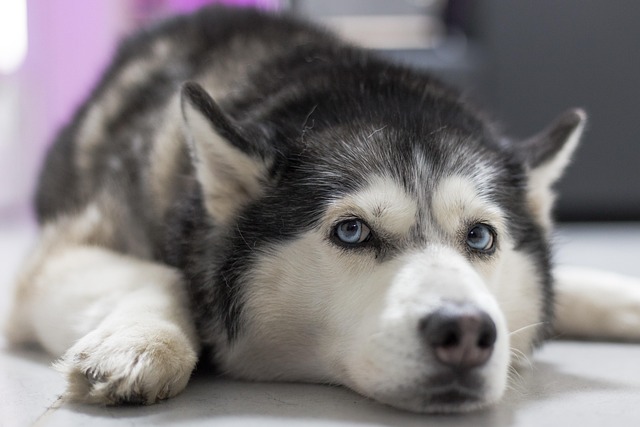
A husky dog can have blue eyes, brown eyes, one of each (bi-eyed) or two colours in the same eye (parti-eyed), and all are normal for the breed. Coat colours include black and white, grey and white, red and white, sable, agouti and pure white. In India blue-eyed puppies are most requested. Eye and coat colour have nothing to do with health or temperament.
Husky size, puppy to full grown
A husky dog is medium-sized, lighter and leaner than it looks under the fur:
| Age | Usual weight |
|---|---|
| 2 months | 4–7 kg |
| 4 months | 9–13 kg |
| 6 months | 13–18 kg |
| Full grown (about 18 months) | 16–28 kg |
Males are taller and heavier than females. “Giant” or “wolf” Huskies sold as extra-large are usually crosses, often with Malamutes.
Temperament: friendly, talkative and independent
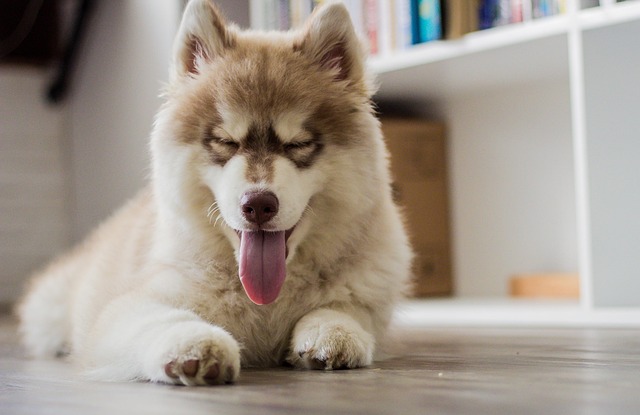
A husky dog loves people, including strangers, which makes it a poor guard dog and a great family dog. It gets on with other dogs but has a strong prey drive, so cats and small animals are at risk unless it grew up with them. Huskies rarely bark; instead they howl, “talk” and grumble, which many owners find charming and neighbours sometimes do not. They are clever but independent, so they do what you ask when they see the point.
Exercise, escaping and training
A husky dog was bred to run all day, so it needs one to two hours of activity daily, in the cool hours only. A bored Husky digs, chews and escapes; they are famous for jumping walls, slipping collars and opening gates. Always walk it on a lead or harness outside a secure area, because its recall is rarely reliable. Training works best with short, fun sessions, food rewards and lots of variety; a Husky that is bored by repetition will simply walk off.
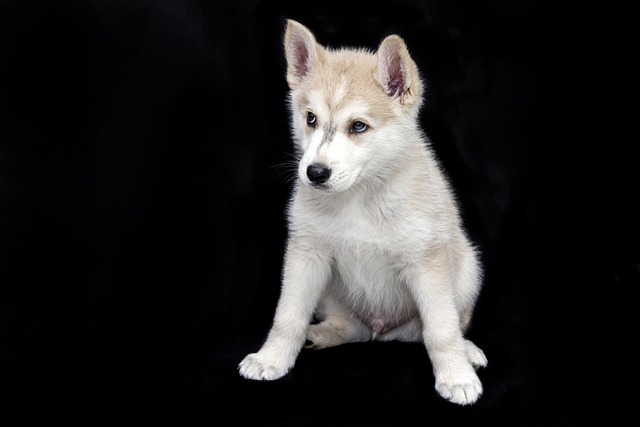
Coat care and shedding
The double coat sheds a little all year and “blows” heavily twice a year, when fur comes out in handfuls. Brush two or three times a week with an undercoat rake and slicker brush, and daily during a coat blow. Huskies keep themselves surprisingly clean and have little doggy smell, so bath only every month or two. Never shave the coat.
Feeding a husky dog
Huskies are efficient eaters and often need less food than you would expect for their size. Feed a puppy three or four meals a day until six months, then two. A good quality food is the easiest base; plain home food (boiled chicken, egg, rice, curd, cooked vegetables) can be added. Never give onion, garlic, grapes or raisins, chocolate, xylitol or cooked bones. In summer, many Huskies eat less; that is normal, but fresh water must always be available.
Husky lifespan and health
A healthy husky dog usually lives 12 to 15 years. Problems to know about are eye conditions such as cataracts, progressive retinal atrophy and corneal dystrophy, hip dysplasia, an underactive thyroid, a skin condition that responds to zinc, and, in India especially, heat stress. Keep the dog cool, slim and up to date on vaccinations and deworming, and see a vet if the eyes look cloudy. Every puppy from us comes with a written health guarantee.
Husky vs German Shepherd
Families often consider both. A German Shepherd is a natural guard dog, easier to train and better with Indian heat; a husky dog is friendlier with strangers, more independent and much more heat-sensitive. If you want a protective dog, choose the Shepherd.
Husky price in India (2026)
The husky dog price in India depends on papers and parents, not on your city:
| Husky puppy | Price in India |
|---|---|
| Without KCI papers | Around ₹50,000 |
| With KCI registration | ₹80,000 – ₹95,000 |
Every puppy is vaccinated, microchipped and vet-checked, and delivered to any state in India; train or flight delivery costs about ₹10,000 depending on size, with doorstep drop extra. See puppies on our Siberian Husky puppies page.
More husky dog photos
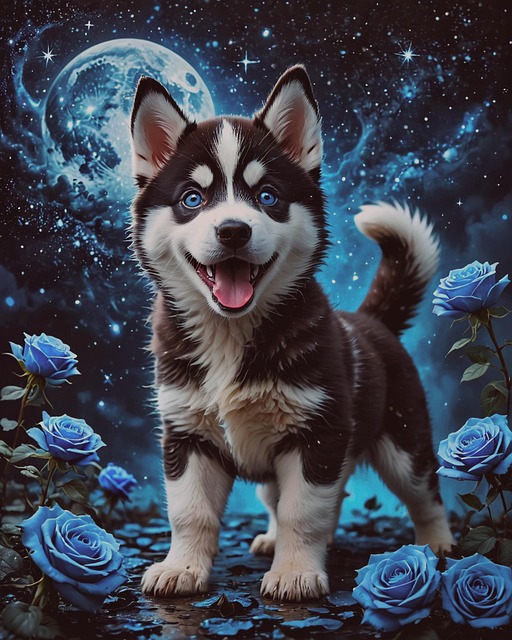

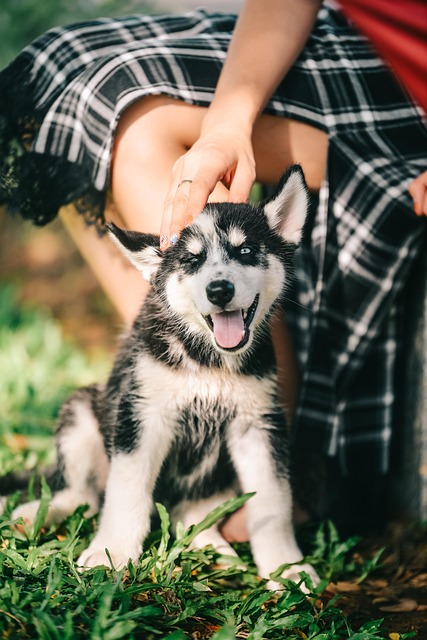

Breed photos. Before you book, we send a live video of the actual puppy and its mother.
Husky dog questions people ask
Can a husky dog survive in India?
Yes, if it has air-conditioning or a reliably cool room through the hot months, walks only in the cool hours and plenty of water. Hill stations and cooler cities are easier.
How big does a husky get?
Females are about 50.5 to 56 cm and 16 to 23 kg; males about 53.5 to 60 cm and 20 to 28 kg when full grown.
How long does a husky live?
About 12 to 15 years with good care and protection from heat.
Do all huskies have blue eyes?
No. A husky dog can have blue eyes, brown eyes, one of each, or two colours in one eye. All are normal.
Is a husky a good guard dog?
No. Huskies are friendly with strangers. For a guard dog, a German Shepherd or Rottweiler suits better.
What is the husky price in India?
At Puppy Hub, around ₹50,000 without KCI papers and ₹80,000 to ₹95,000 with KCI registration.
Looking for a husky puppy?
Tell us your city and your home set-up, and we will tell you honestly whether a Husky will be comfortable there. We send a live video of the puppy and its mother before you book and deliver to every state in India. WhatsApp +91 92119 10059.