
Puppy guide for Indian homes
A plain-language guide for anyone bringing a puppy home in India. No sales talk. If a Poodle or a Goldendoodle is the wrong dog for your flat, your city or your working hours, this page will say so.
Choosing a puppy breed in India
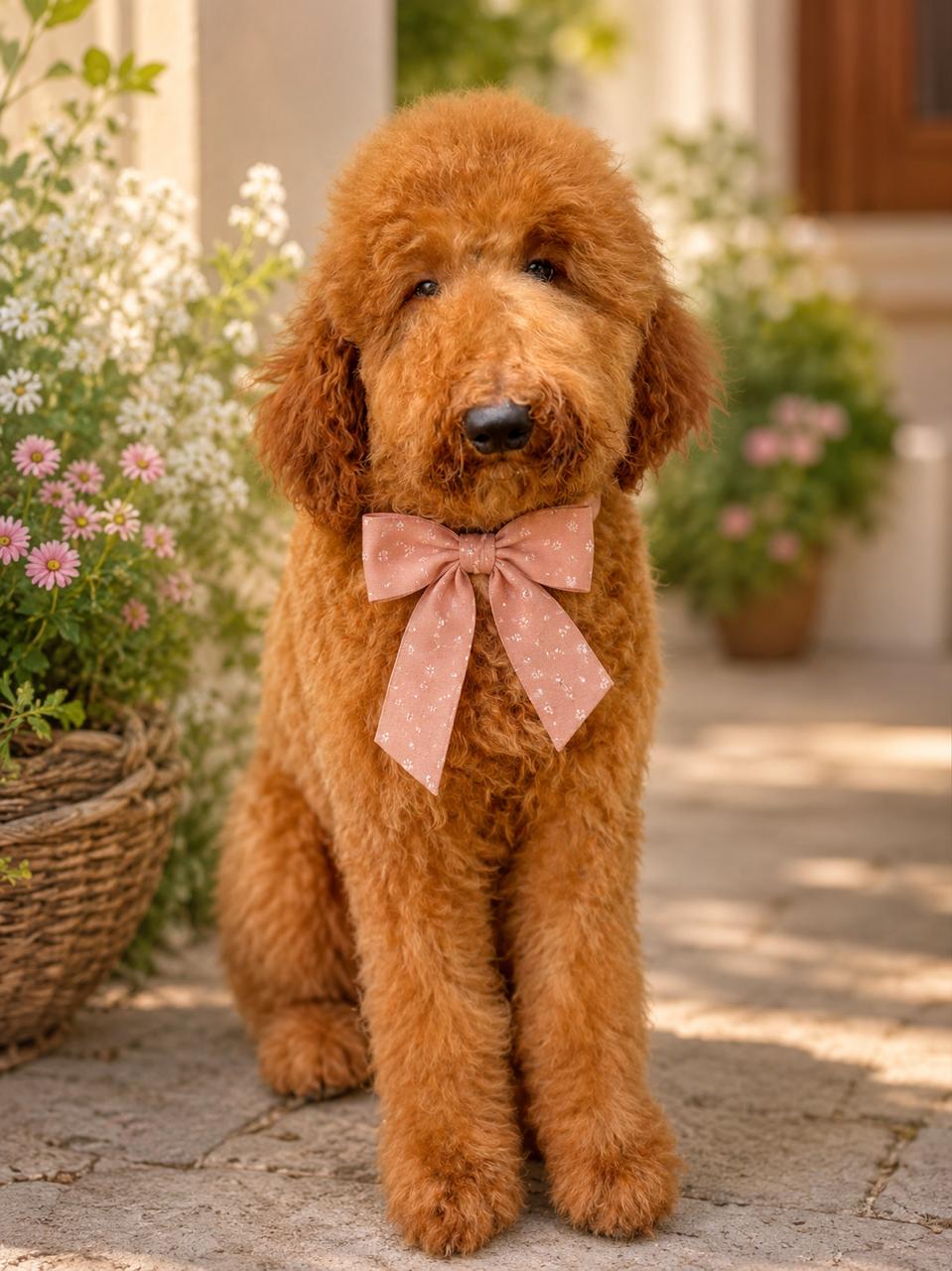
Start with your home, not the dog. A Standard Poodle in a two-bedroom flat with nobody home until 9pm is a difficult life for both of you. A Toy Poodle in the same flat is fine. Before you look at a single photo, answer these honestly: how many hours will the dog be alone, is there a lift or four flights of stairs, is there a park within walking distance, and who does the 6am walk in Delhi winter?
Then there is the money question everybody avoids. In India the puppy is the small cost. Vaccinations in the first year, sterilisation, monthly deworming and tick control, food, and grooming every six to eight weeks for a curly-coated breed add up to far more over a dog’s life than the purchase price. Poodles and Goldendoodles do not shed much, which people love, but that same coat has to be professionally clipped several times a year. Budget for it before you buy, not after.
Our breeds and their prices are set out here: Goldendoodle and Parti Poodle puppies in India. Also worth reading: how to choose the right pet for your lifestyle.
New puppy checklist: what to do before your puppy comes home
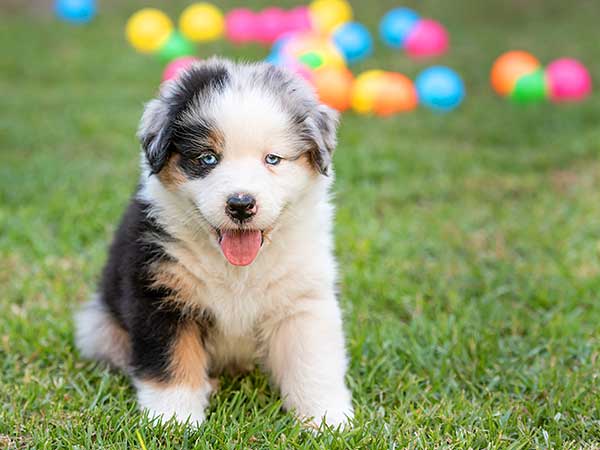
Get these ready before the puppy arrives, not on the day:
- A vet you have already spoken to. Find one before you need one, and save the number of a 24-hour clinic in your city.
- Food the breeder was already using. Changing food and changing homes in the same week causes stomach upsets. Switch gradually over ten days.
- A crate or a defined corner with bedding, away from the main traffic of the house.
- Stainless steel bowls, not plastic, which scratches and holds bacteria in Indian humidity.
- A collar, a light lead, and an ID tag with your phone number from day one.
- Newspaper or pee pads and a lot of patience. House training takes weeks, not days.
See also: essential tips for first-time owners and what to buy before day one.
Puppy vaccination schedule in India
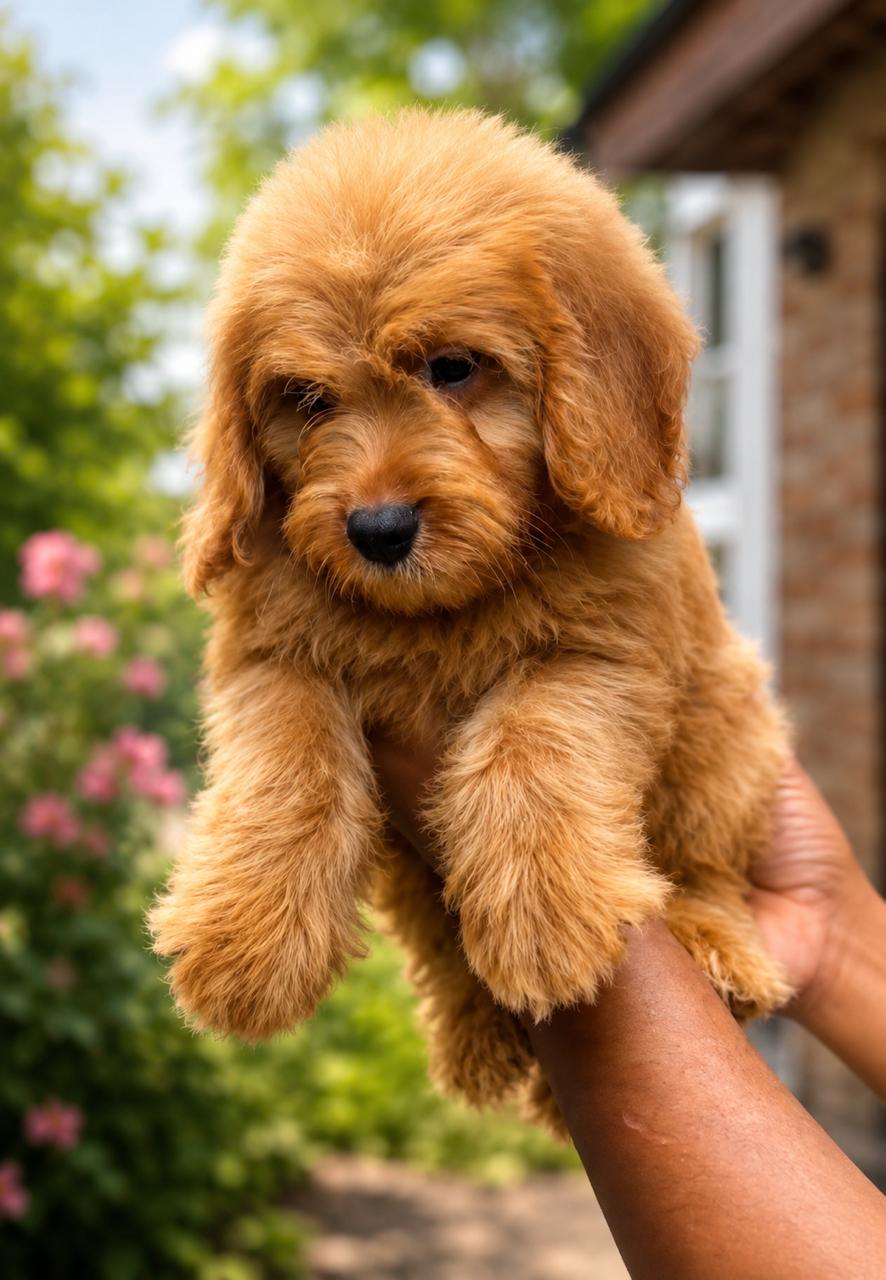
Your vet decides the exact plan, but the shape of it is standard across India and worth knowing so nobody can mislead you:
- 6 to 8 weeks — first DHPPi shot (distemper, hepatitis, parvovirus, parainfluenza).
- 10 to 12 weeks — second shot, usually with leptospirosis added.
- 14 to 16 weeks — third shot and the first anti-rabies vaccination.
- Yearly after that — boosters, including rabies, which is a legal and practical necessity in India.
- Deworming every two weeks until twelve weeks old, then monthly to six months.
Parvovirus is the one that kills puppies in India, and it is common. Keep a puppy away from public parks and street dogs until a week after the final shot, however tempting the photos are.
Puppy food and diet in India
Feed a puppy-specific food for the first year — adult food does not carry the calcium and protein a growing dog needs. Four meals a day until three months, three meals to six months, then two meals for life. Fresh water at all times, changed twice daily in summer.
Roti and leftover sabzi is what most Indian dogs are fed, and it is the reason so many are overweight with poor coats. If you do feed home food, it needs to be built properly with a vet’s input, not scraped off the family plate. Never give chocolate, grapes, onion, garlic, or cooked bones of any kind.
More on this: a guide to nutrition and diet and questions about dehydrated dog food.
Puppy training and behaviour
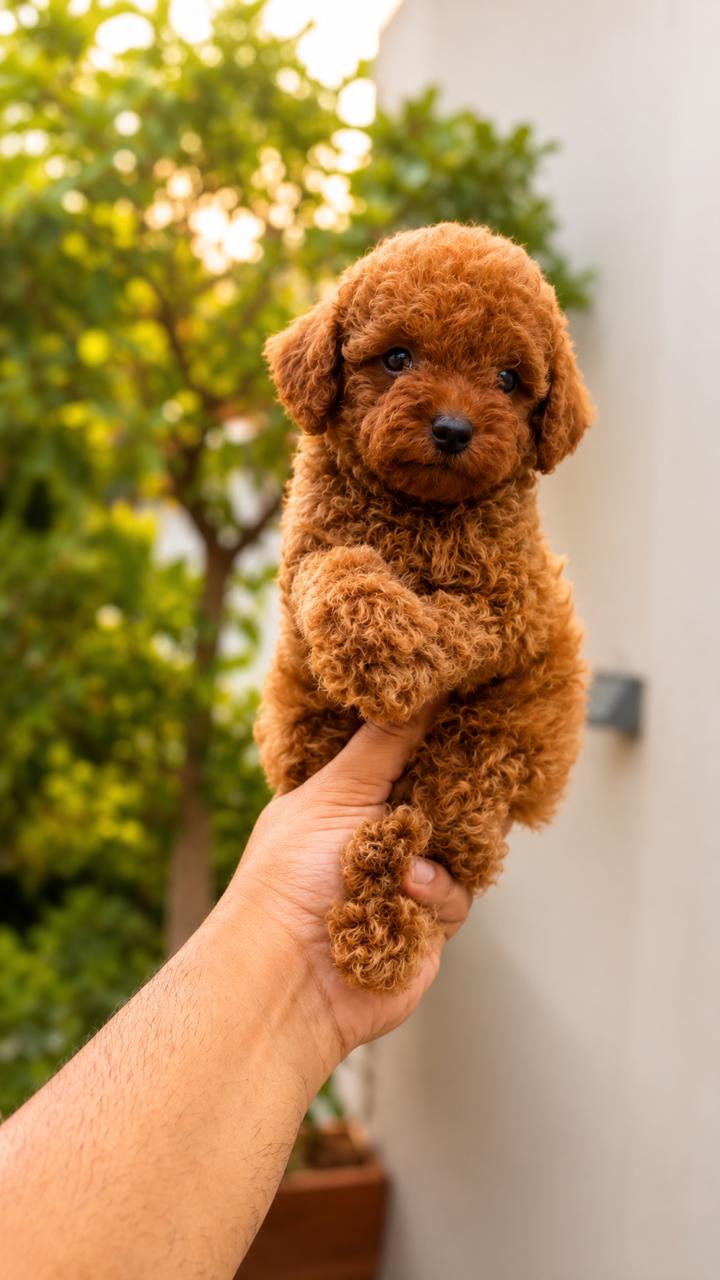
The first sixteen weeks shape the dog you live with for the next fifteen years. Poodles and Goldendoodles are clever, which cuts both ways — they learn what you teach and also what you accidentally allow.
- House training: take the puppy out after every meal, every nap and every play session. Praise the moment it goes in the right place. Never rub a dog’s nose in a mistake; it teaches fear, not cleanliness.
- Socialisation: once vaccinations are complete, introduce new people, surfaces, traffic noise and the sound of the pressure cooker. A dog that meets the world early is calm in it later.
- Alone time: practise leaving the puppy alone for short periods from the start. Separation anxiety is the most common problem in Indian households where somebody is always home — until suddenly nobody is.
- Grooming as training: handle paws, ears and mouth daily from week one. The dog that tolerates grooming has a much easier life.
Also useful: understanding your dog’s behaviour.
Caring for a Poodle or Goldendoodle in Indian weather
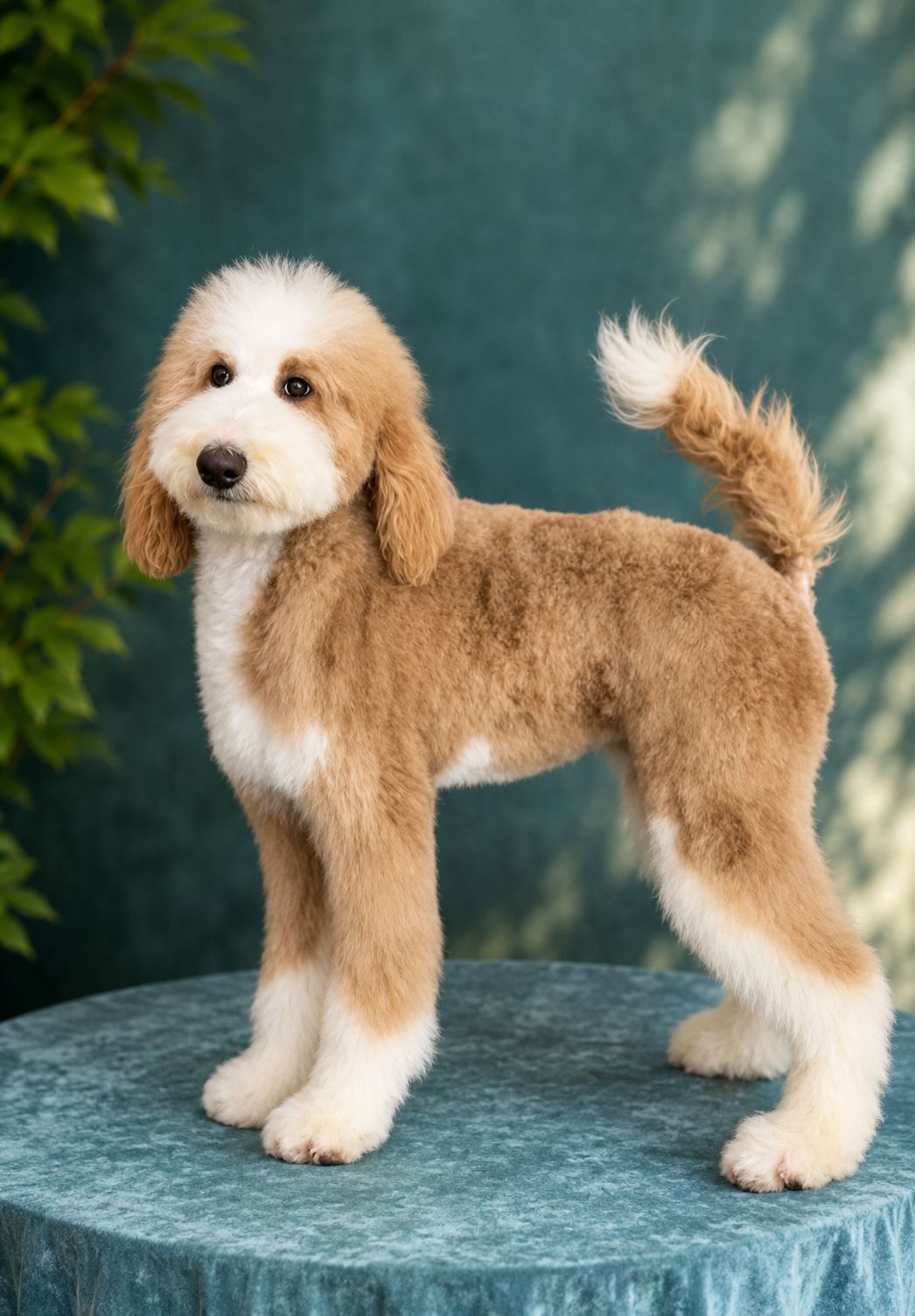
The heat is the part imported-breed owners underestimate. Walk early morning and after sunset in summer, and check the pavement with your hand — if it is too hot for your palm, it will burn a puppy’s pads. Never leave a dog in a parked car, even for five minutes.
Do not shave a curly coat to the skin thinking it will cool the dog. The coat insulates against heat as well as cold and protects from sunburn; a proper summer clip, left a few millimetres long, is what you want. In the monsoon, dry ears and paws thoroughly after every walk — ear infections and fungal paw problems are the two most common vet visits for Poodles in humid Indian cities.
Still deciding which puppy is right for you?
Ask us. We answer breed questions from people who never buy from us, and we would rather send you to another good breeder than sell you the wrong dog.