The first thirty days decide the dog you live with for the next fifteen years. Not the breed, not the price, not the pedigree — the first month. This is what nobody tells first-time owners in India, and it is why two puppies from the same litter can turn out completely differently.
Here is what actually matters, in the order you will need it.
Before the puppy comes home
Get all of this ready first. Doing it with a frightened eight-week-old in the house is much harder.
- Find a vet before you need one. Save the number of a clinic near you and one that opens at night. You will use it.
- Buy the same food the breeder was using. New home and new food in the same week causes stomach upsets. Change it gradually over ten days if you want to switch.
- Set up one quiet corner — a crate or a bed away from the door, the television and the kitchen traffic.
- Stainless steel bowls, not plastic. Plastic scratches and holds bacteria in Indian humidity.
- Collar, light lead and a tag with your phone number from day one.
- Newspaper or pee pads, and a mop you do not mind sacrificing.
The first night, honestly
Your puppy has just left its mother and littermates for the first time. It will cry. Most Indian families respond in one of two wrong ways: they take the puppy into bed forever, or they shut it in a room and let it scream.
Better: put the crate or bed beside you for the first few nights so the puppy can hear you, then move it gradually to where you want it to sleep. You are teaching the dog that being alone is survivable, in small steps.
Feeding a puppy in India
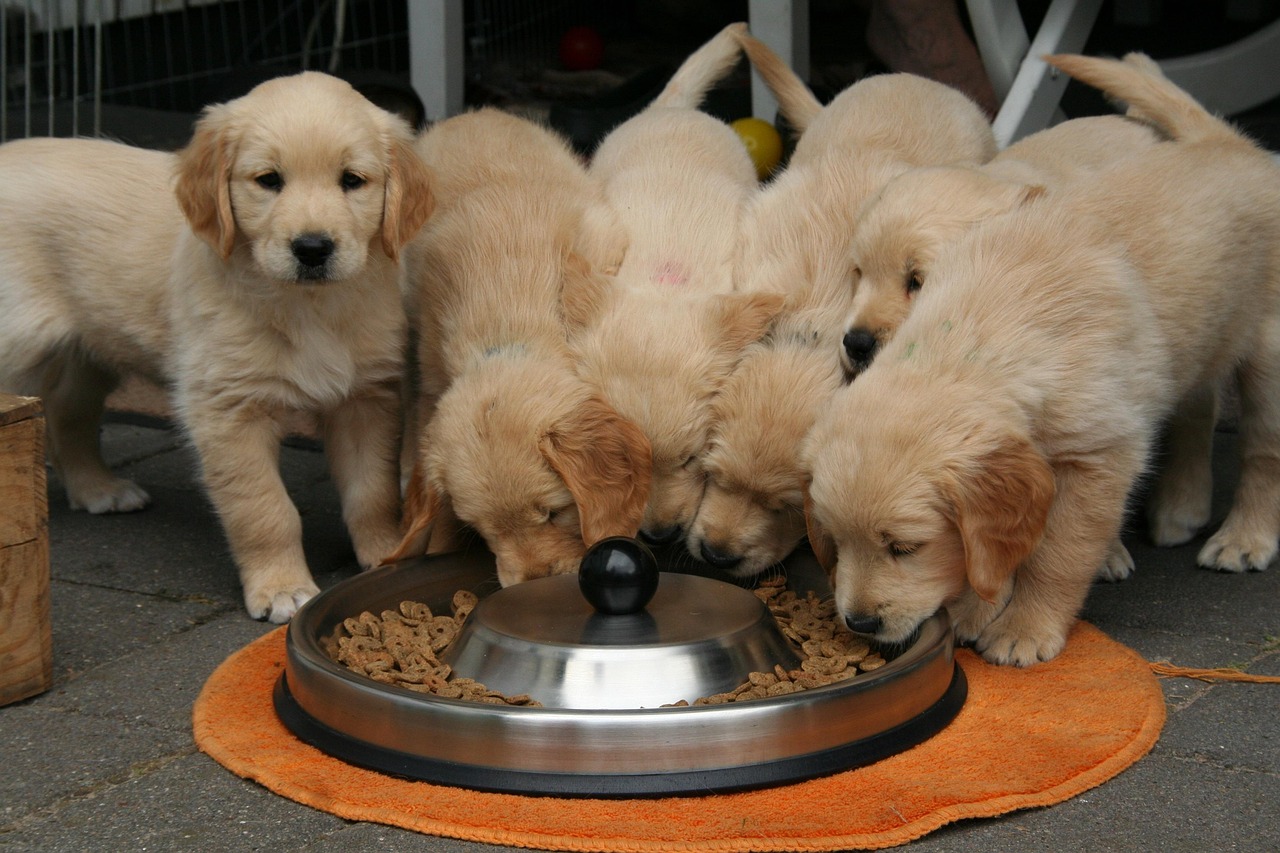
- Puppy food, not adult food, for the first year. Growing dogs need different calcium and protein.
- Four meals a day until three months, three until six months, then two for life.
- Fresh water always, changed twice a day in summer.
- No cow’s milk. This is the most common mistake in Indian homes — most dogs cannot digest it and it causes diarrhoea in a puppy that can least afford it.
- Roti and sabzi is not a diet. If you want to feed home food, build it properly with your vet, rather than scraping the family plate.
Never give: chocolate, grapes or raisins, onion, garlic, cooked bones of any kind, or anything sweetened with xylitol. Every one of these can kill a small dog.
Vaccination and deworming
Your vet sets the exact plan, but the shape of it is standard in India:
- 6–8 weeks: first DHPPi shot
- 10–12 weeks: second shot, usually with leptospirosis
- 14–16 weeks: third shot and first anti-rabies
- Yearly: boosters, including rabies
- Deworming: every two weeks to twelve weeks old, then monthly to six months
Parvovirus is what kills puppies in India, and it is everywhere. Keep your puppy off public parks, pavements and away from street dogs until a week after the final shot. It feels overcautious. It is not.
Toilet training in a flat
Take the puppy out — or to the pad — after every meal, every nap and every play session, and praise the moment it goes in the right place. That is the whole method. Consistency does the work.
Never rub a puppy’s nose in a mess or scold it after the event. It cannot connect the punishment to something it did ten minutes ago; all it learns is to hide from you and to go behind the sofa instead. Accidents are your timing failing, not the dog misbehaving.
The socialisation window closes fast
Between eight and sixteen weeks a puppy decides what is normal in the world. Once vaccinations allow it, introduce as much as you safely can: different people, stairs, lifts, tiled and marble floors, traffic noise, the pressure cooker, the doorbell, car journeys.
A dog that met the world early is calm in it later. A dog kept in a flat until six months barks at everything for the rest of its life, and that is far harder to undo than to prevent.
Grooming starts on day one
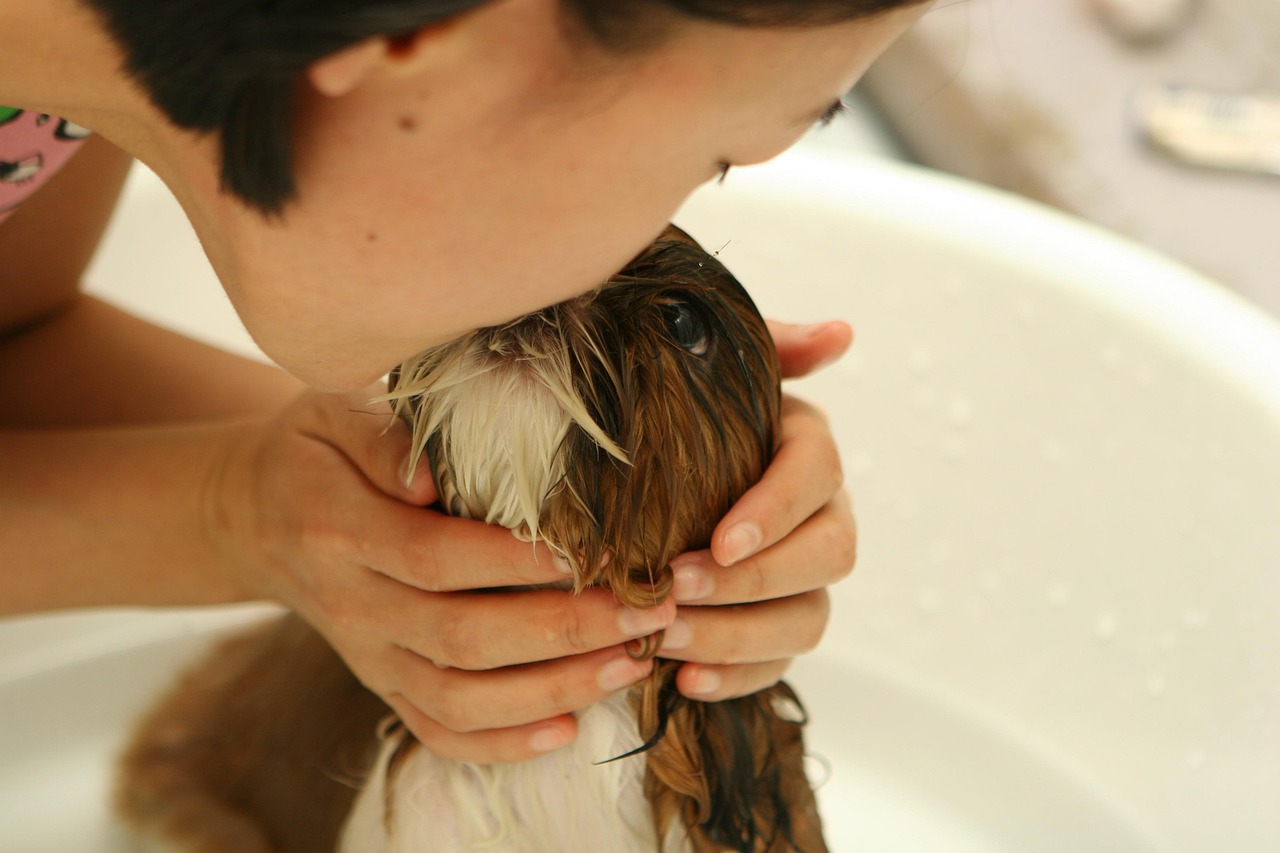
Handle the paws, ears and mouth every day from the first week, even when nothing needs doing. The dog that tolerates handling has an easier life at the vet and the groomer, forever.
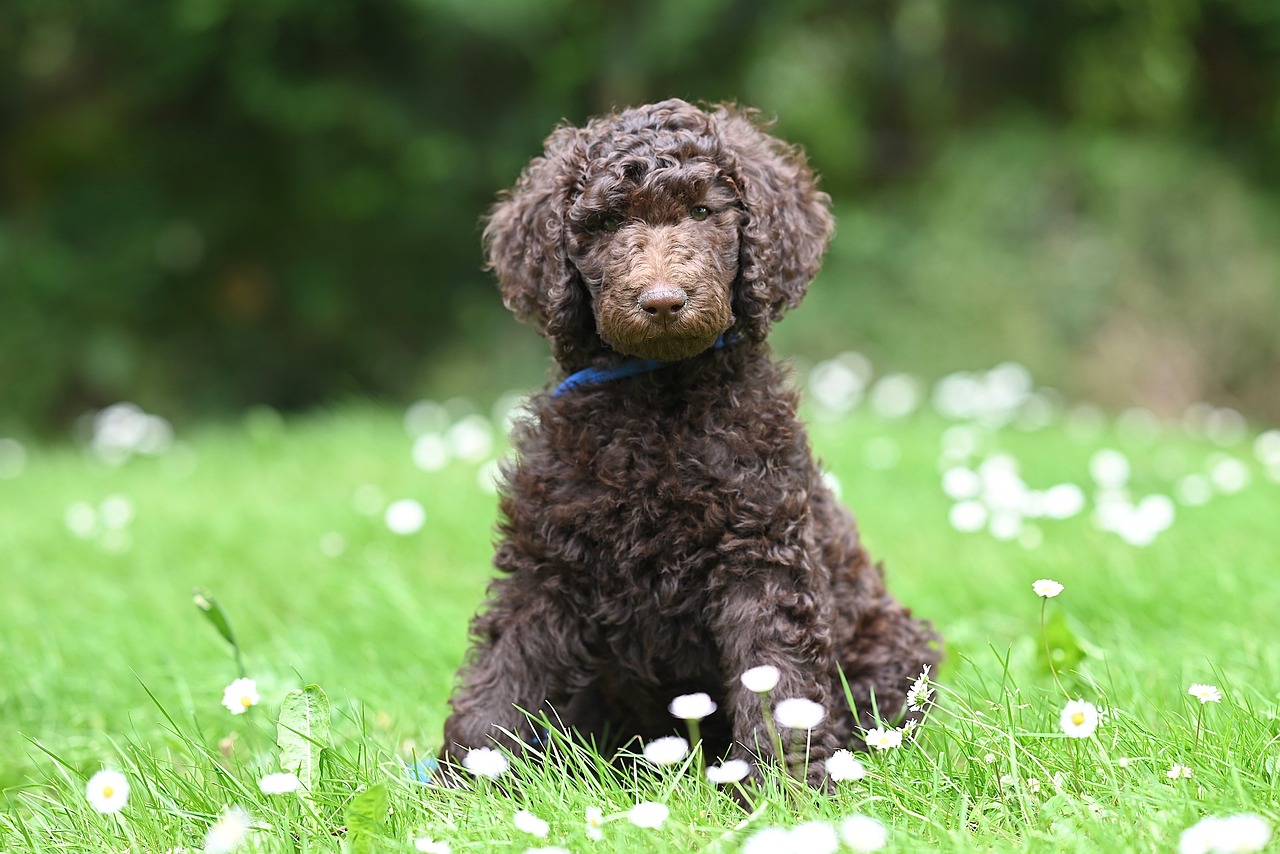
If you have a Poodle, Goldendoodle or any curly-coated breed, brush several times a week and book a professional clip every six to eight weeks. The coat does not shed — it mats instead, and a matted coat is painful.
Heat and monsoon: the Indian part
Walk early morning and after sunset from March to October. Test the pavement with your palm; if it is too hot for your hand it will burn paw pads. Never leave a dog in a parked car, even briefly, even in the shade.
Do not shave a curly coat to the skin in summer — it protects against heat and sunburn. Ask for a shorter clip instead. In the monsoon, dry ears and paws after every walk; ear infections and fungal paw problems are the two most common vet visits in humid Indian cities.
Five mistakes first-time owners make
- Taking a puppy under eight weeks. Whatever the seller says, it is too early, and the behavioural cost shows up months later.
- Buying the cheapest puppy. The saving disappears with the first serious illness, and often it is the dog that pays.
- Free-feeding. Leaving food out all day makes house training impossible and dogs overweight.
- Punishing accidents. Teaches fear, not cleanliness.
- Skipping the vet when things look fine. Puppies hide illness well and go downhill quickly.
What it actually costs each month
The puppy is the small cost. Budget for food, monthly deworming and tick control, annual vaccinations, and — for a curly-coated breed — grooming every six to eight weeks. Over a dog’s life the upkeep comfortably exceeds the purchase price. Anyone who tells you a dog is cheap to keep is selling you one.
Questions first-time owners ask us
What should I feed a puppy in India?
A good puppy-specific food, four meals a day until three months. No cow’s milk, and no roti-and-sabzi as a substitute for a proper diet.
When can my puppy go outside?
Around a week after the final vaccination in the course. Before that, carry the puppy for socialisation rather than letting it walk in public places.
How long does toilet training take?
Weeks, not days. Most puppies are reliable by four to five months with consistent routine.
Which breed is easiest for a first-time owner in India?
For a flat, a Toy Poodle. For a family with space, a Goldendoodle. Both shed very little, which matters more in an Indian household than most people expect.
More: the full puppy guide · the four breeds we raise ourselves