
Bengal Kittens in India: Price, Coat Patterns and Honest Advice
A Bengal kitten costs ₹30,000 to ₹1,05,000 with us, with papers and a microchip, and we deliver anywhere in India. The Bengal is a domestic cat with a wild-looking spotted or marbled coat, bred from the Asian leopard cat many generations back. It is athletic, clever and very active, copes well with Indian heat, and suits owners who want an interactive cat rather than a lap cat.
Written by the Puppy Hub team in Delhi NCR — placing healthy puppies and kittens with families across India. Last updated 25 November 2026.
Bengal kittens available now
Litters change from week to week, so the quickest way to see who is ready today is WhatsApp. Tell us your city, the colour you prefer and whether you want a male or a female, and we will send current photos and videos of the Bengal kittens we have.
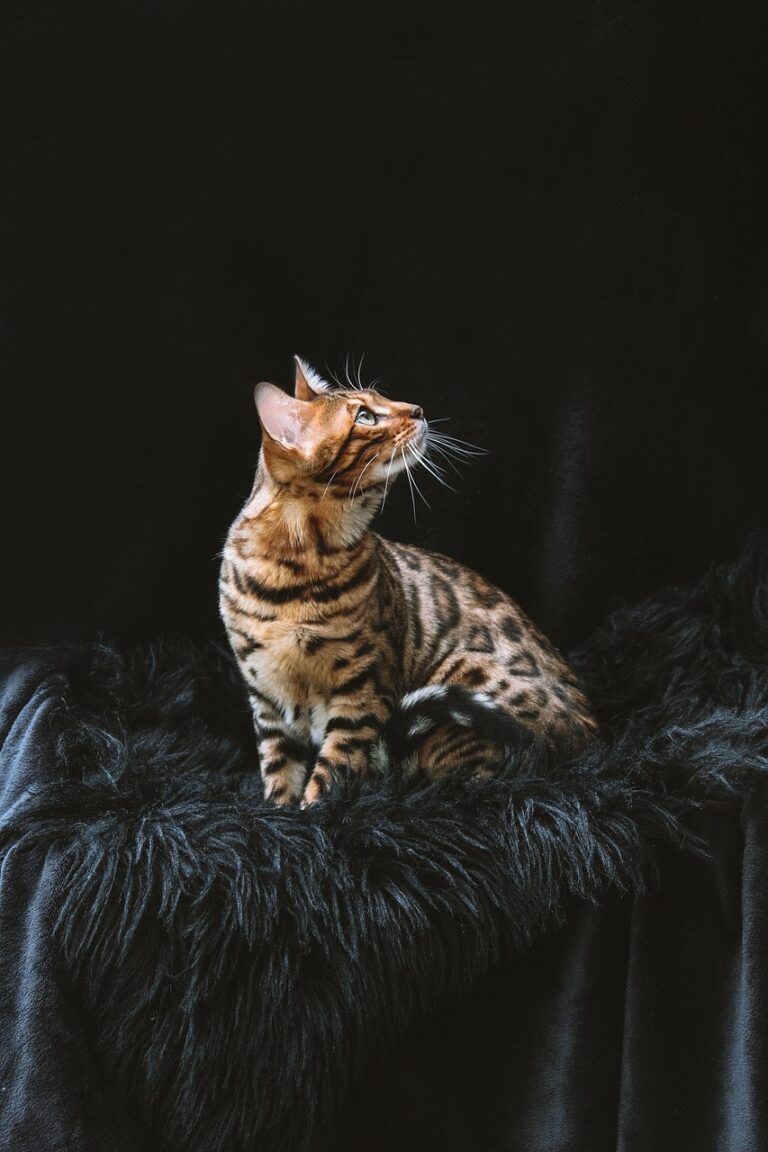
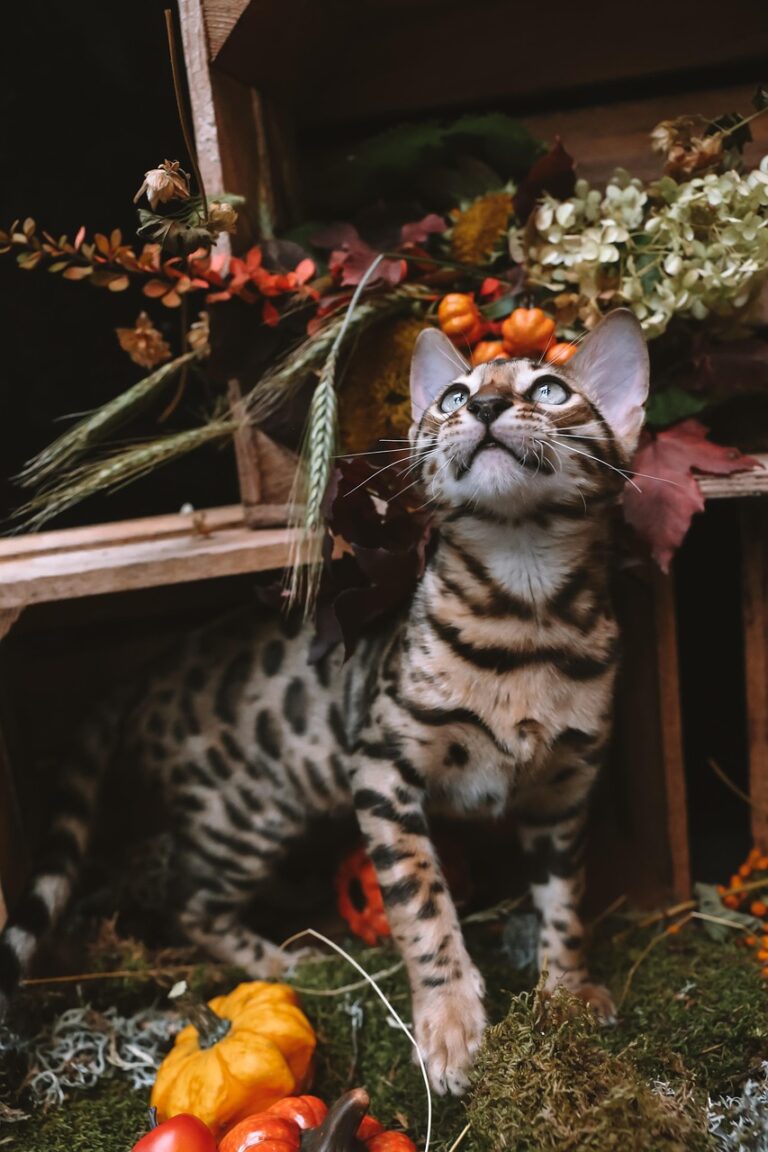
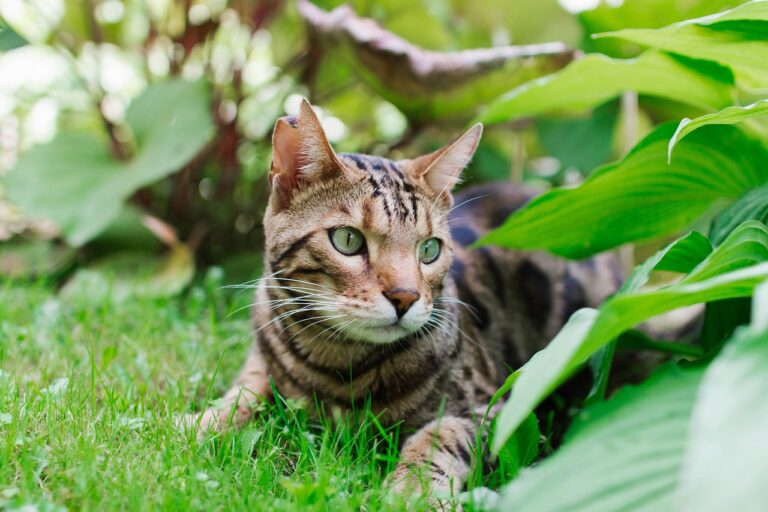
Photos show the breed. Before you book, we send a live video of the actual Bengal kitten, its mother and its papers.
Every kitten we place comes with its papers and a microchip, and we arrange delivery anywhere in India.
WhatsApp us for available Bengal kittens
Bengal photos: spotted, rosetted, marbled and silver
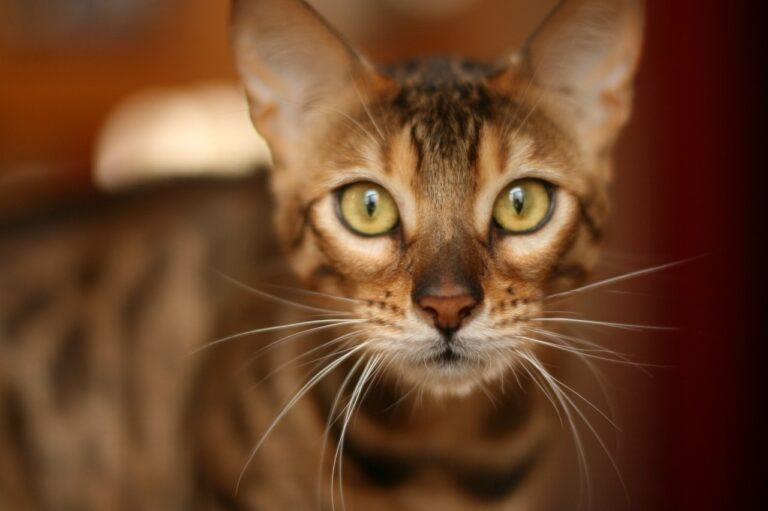
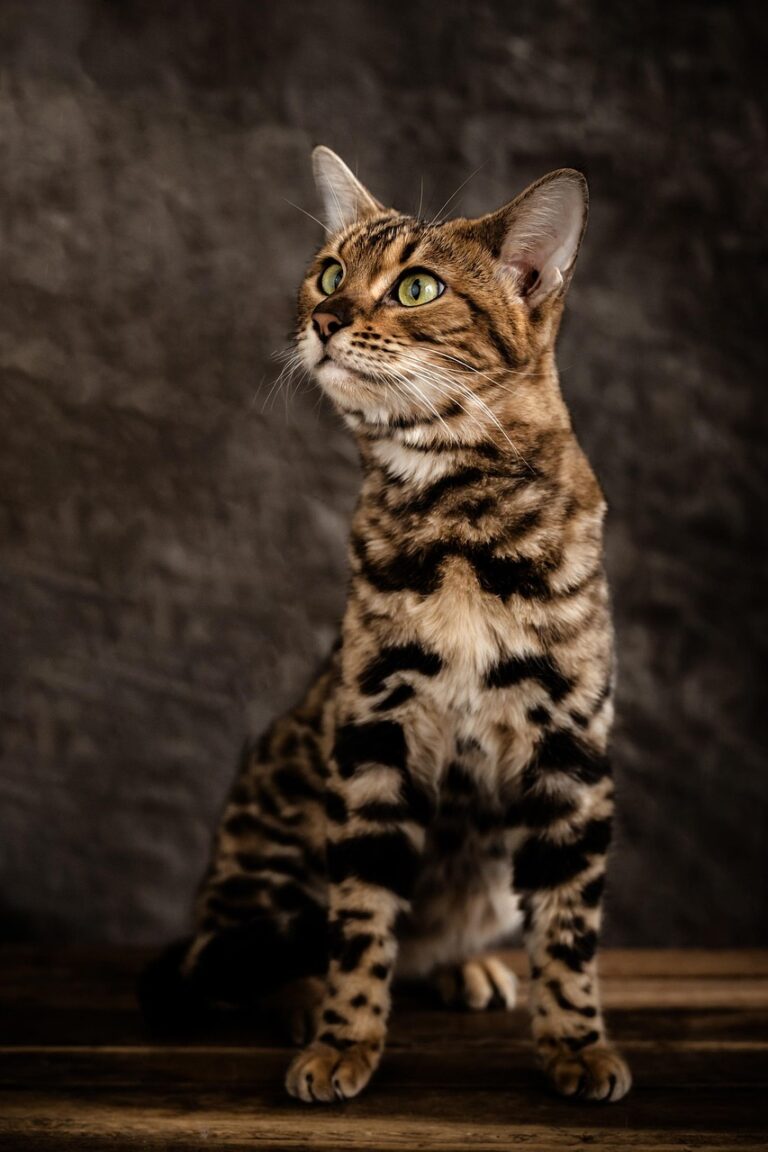
The coat is short, soft and often has a glitter-like sheen. These photos show kittens and adults in the common brown spotted and marbled patterns and in silver.
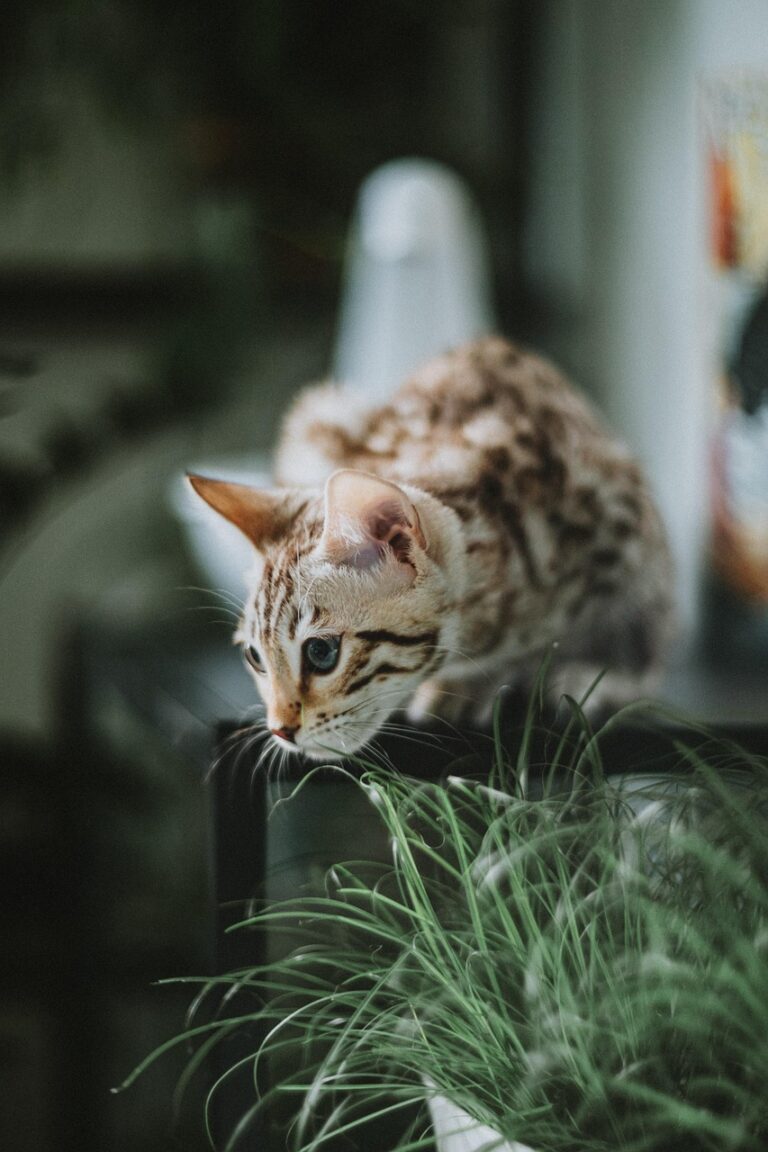
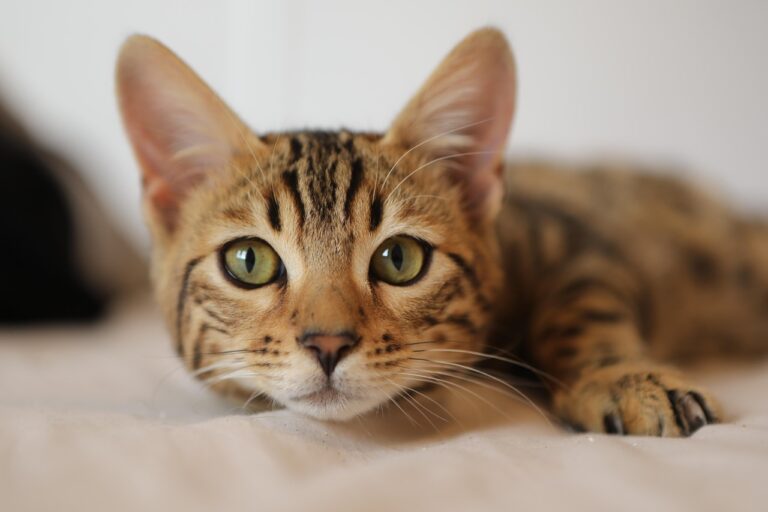
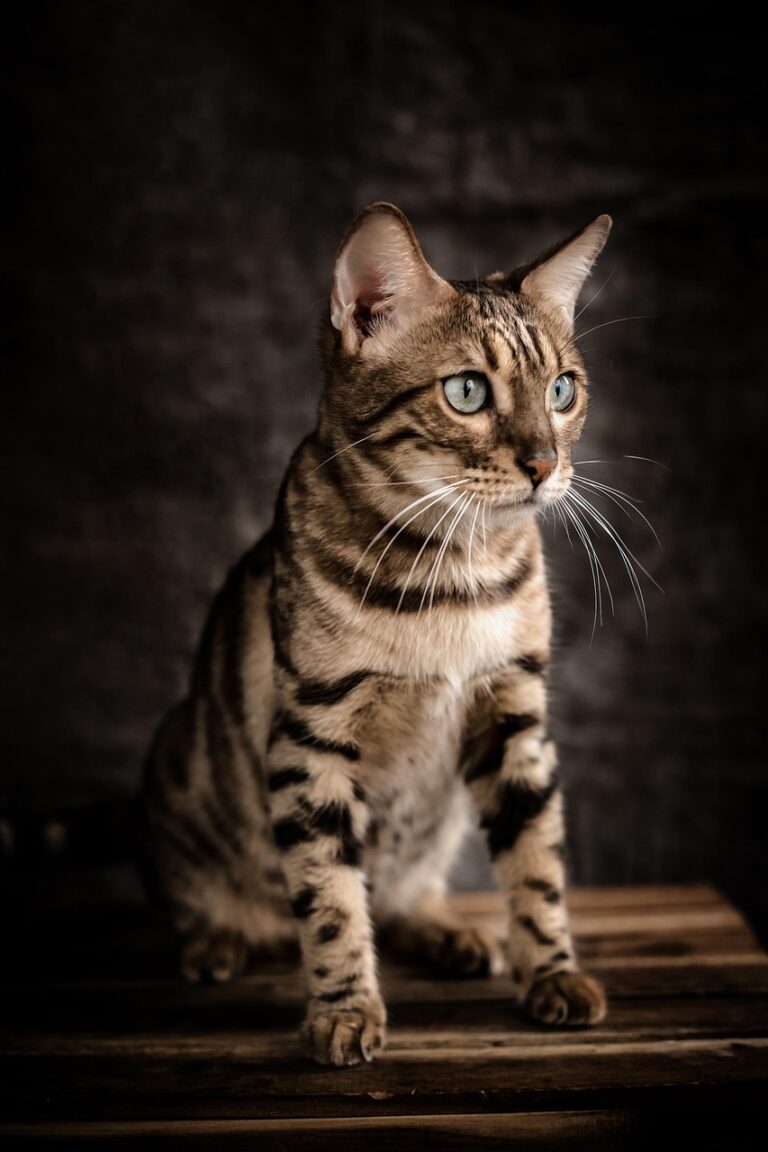
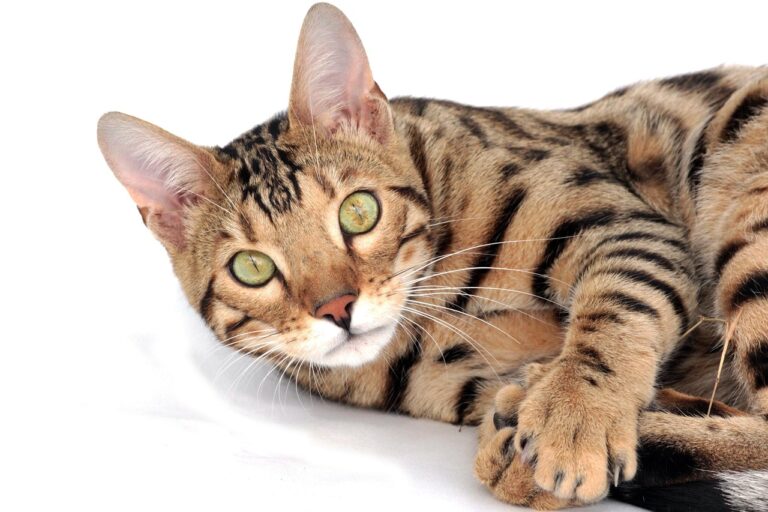
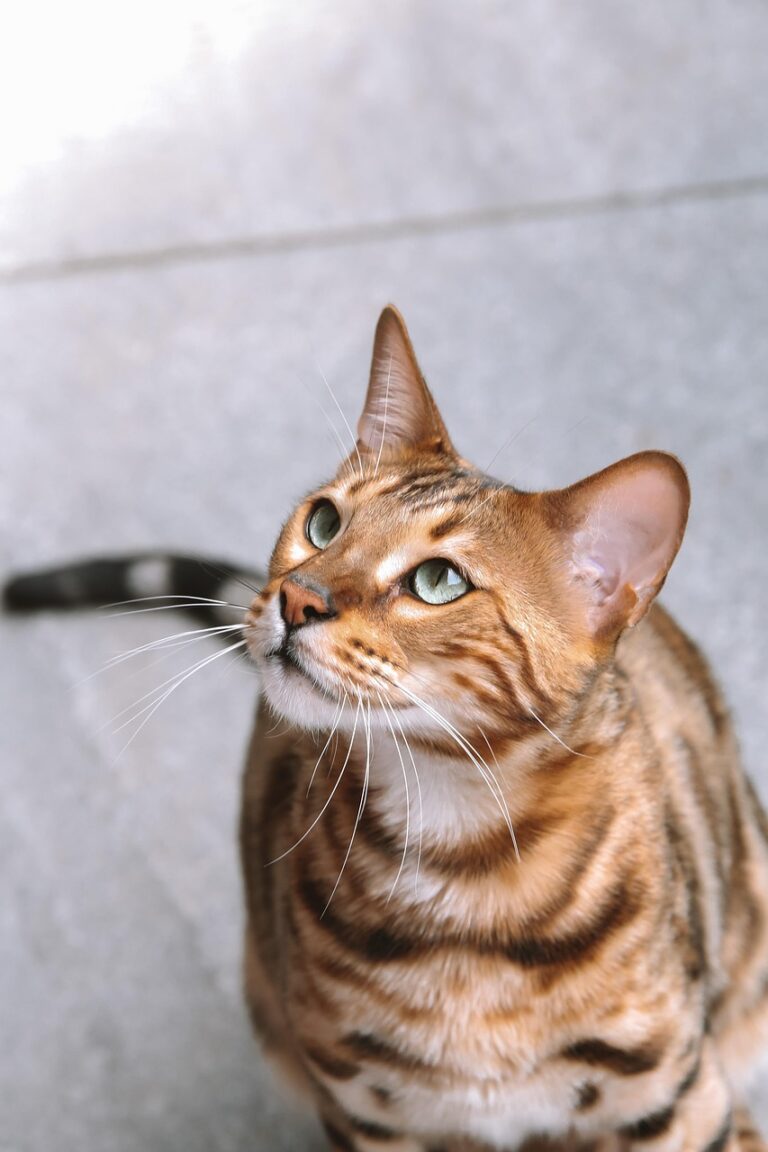
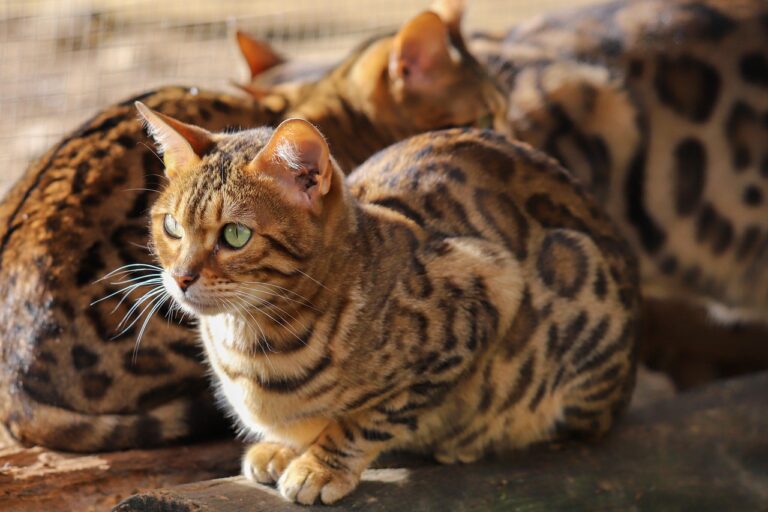
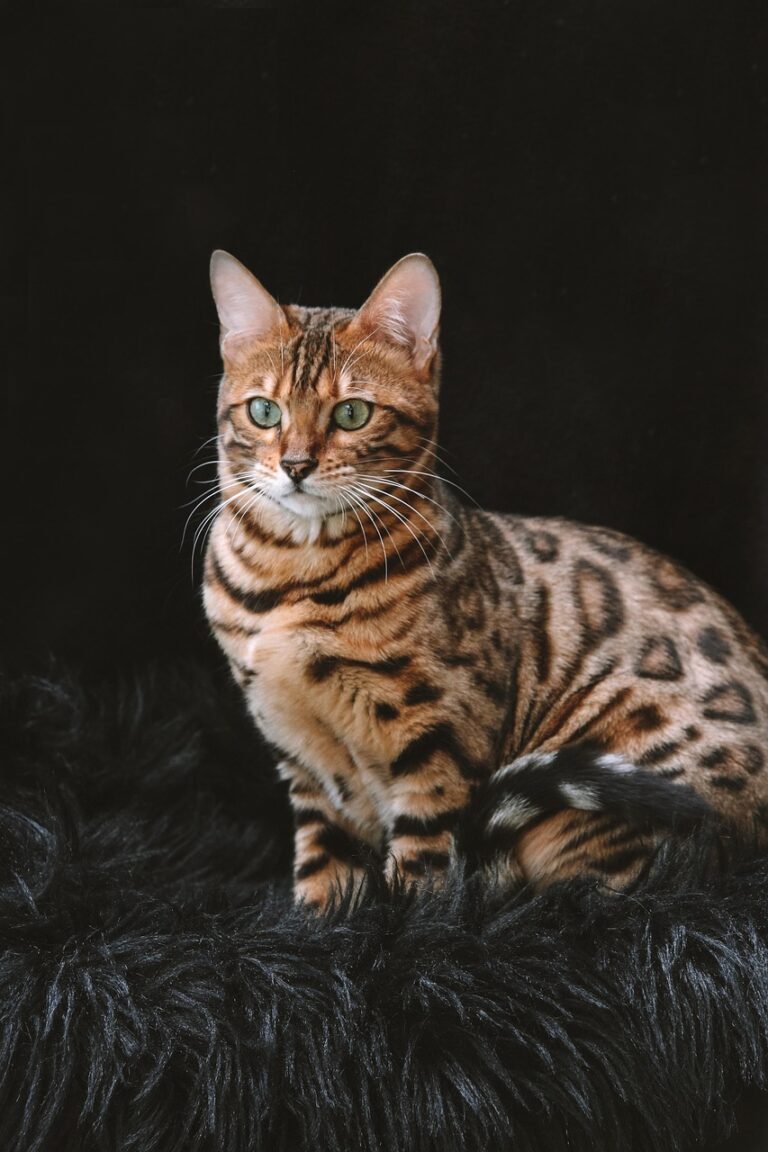
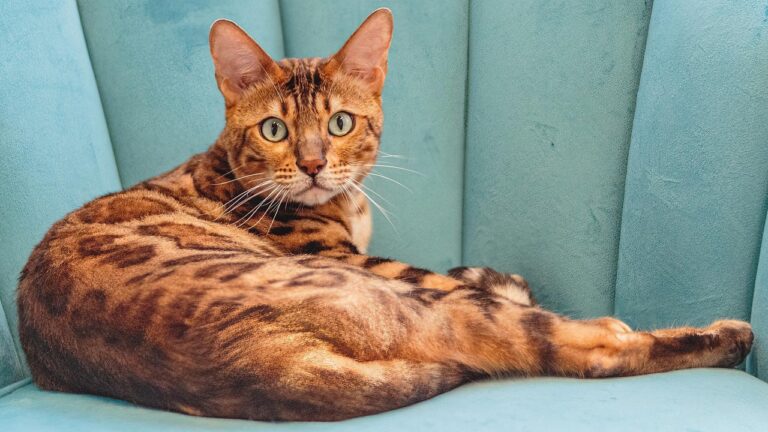
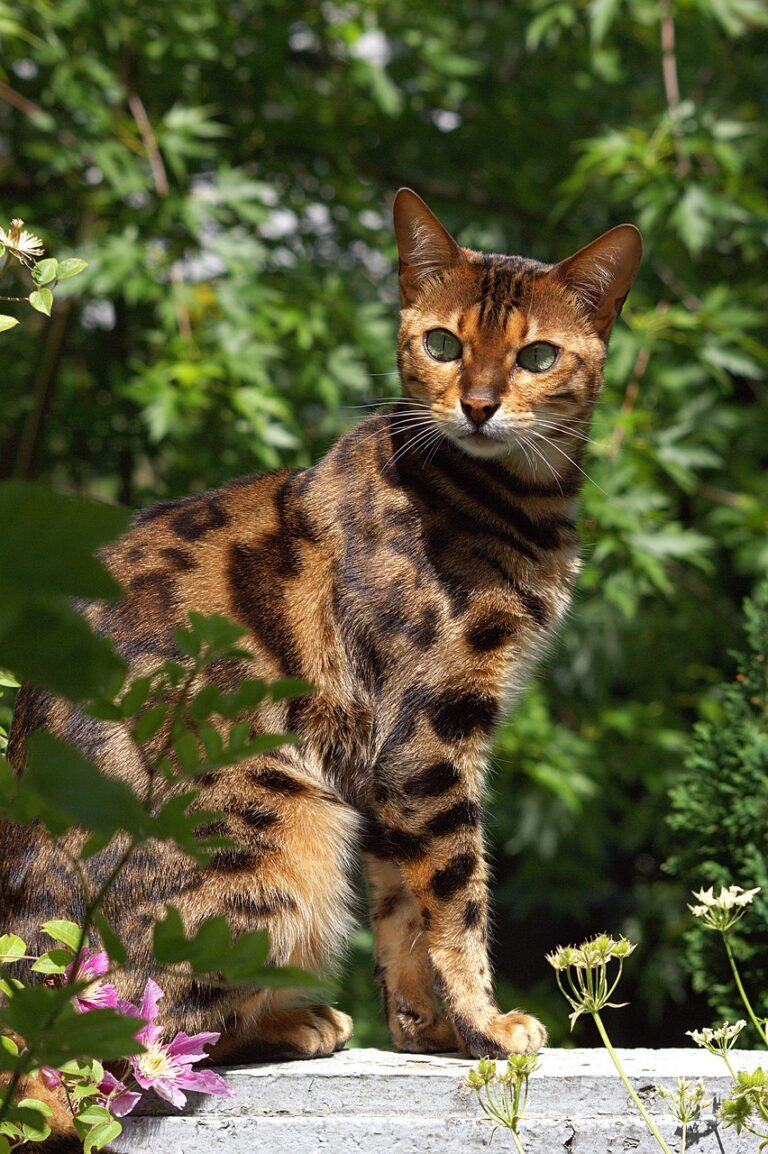
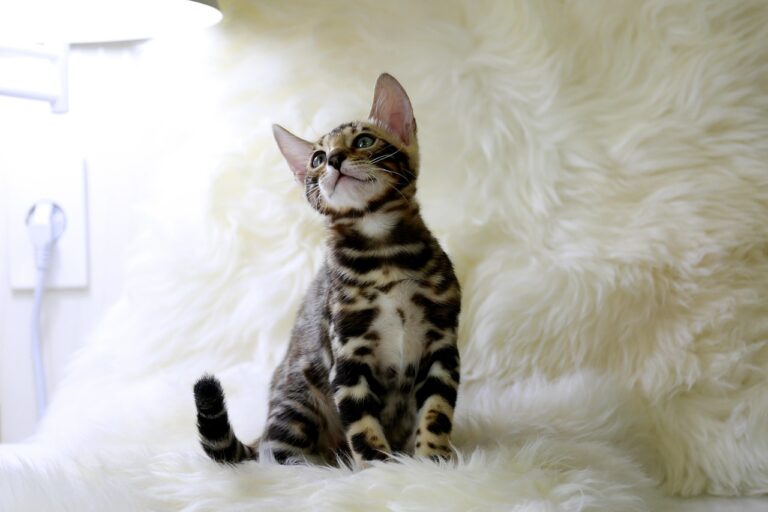
These are Pixabay stock photos that show the breed, not our own puppies. For real photos and videos of the Bengal puppies available now, message us on WhatsApp.
What a Bengal is really like
The breed was developed in the United States from the 1970s onwards, starting with crosses between domestic cats and the Asian leopard cat, a small wild cat of South and East Asia. The International Cat Association recognised it in 1986. Pet kittens today are many generations away from the wild ancestor and are fully domestic cats.
Living with one is like living with an athlete with a brain to match. It climbs, jumps, fetches, plays with water, learns tricks and can be trained to walk on a harness. It is affectionate and loves to be involved in whatever you are doing, but it is rarely content to sit on a lap for long. Without enough play and things to explore, it will invent its own entertainment.
Before you book: who this cat suits
- Good fit: active households, people who enjoy playing with and training a cat, families with older children.
- Think twice: if you want a quiet, sleepy cat, or if the cat would be alone and bored all day.
- Be ready for: climbing on shelves, opening cupboards, playing in the water bowl and a chatty voice.
Bengal size, weight and lifespan
| Male | Female | |
|---|---|---|
| Adult weight | About 4.5–7 kg | About 3.5–5.5 kg |
| Coat | Short, dense, soft | Short, dense, soft |
| Build | Long, muscular, athletic | Long, muscular, athletic |
| Lifespan | 12–16 years | 12–16 years |
| Fully grown | About 18–24 months | About 18–24 months |
Bengal price in India (rate list 2026)
| Kitten | Rate / price |
|---|---|
| With papers and microchip | ₹30,000 – ₹1,05,000 |
| What moves the price within the range | Parents, pattern and contrast, rosettes, colour and gender |
Clear, high-contrast rosettes and a glittered coat sit at the top of the range. Many striped tabby kittens are sold in India under the breed name; a true kitten has spots, rosettes or marbling rather than plain stripes. We send a live video of the actual kitten and its mother before you pay.
In Tamil Nadu, Kerala, Karnataka, Andhra Pradesh and Telangana many families search for the Bengal cat rate rather than the price. The rate list above is the same one we quote everywhere in India.
Domestic cats and the leopard-cat law in India
The Asian leopard cat is a protected wild species in India. The cat you should buy is a domestic cat several generations removed from it, often described as SBT (stud book tradition, at least four generations from the wild cat). Early-generation hybrids, called F1 to F3, are not suitable pets and raise legal questions. Ask any seller how many generations the kitten is from the leopard cat, and walk away from anyone offering a wild cat or a first-generation cross.
Bengal coat patterns and colours
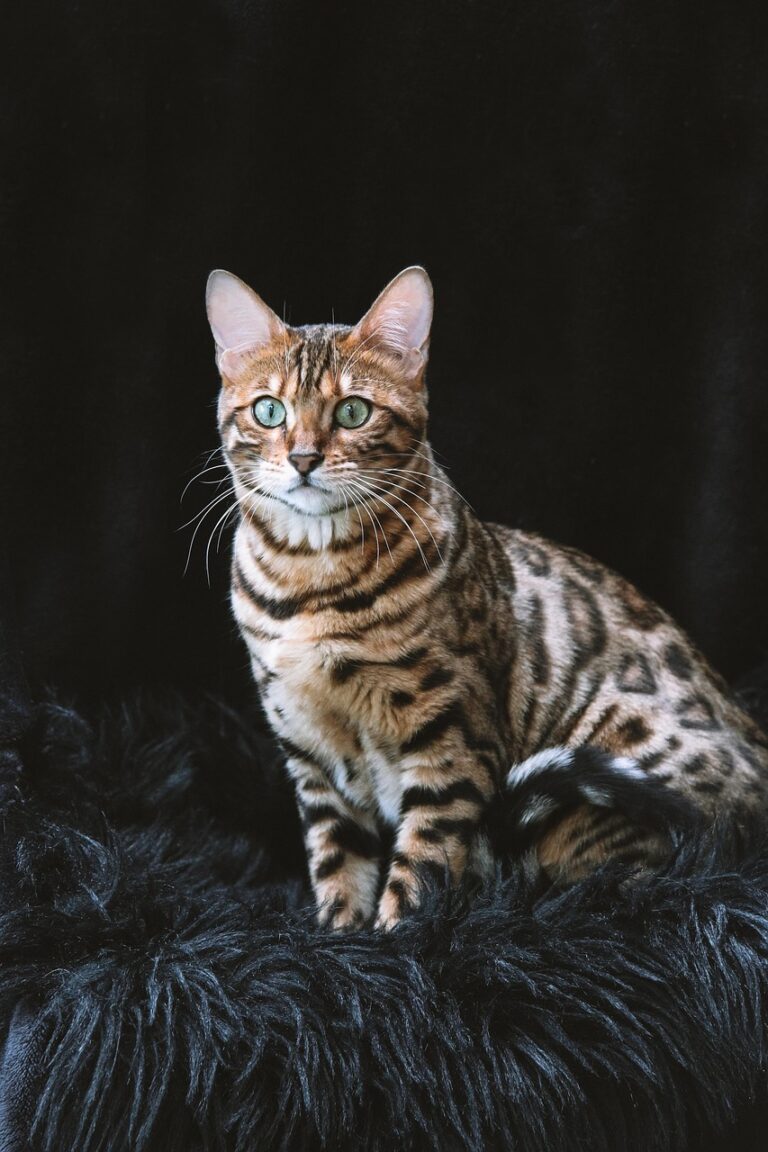
| Pattern or colour | What it looks like |
|---|---|
| Spotted | Random spots on the body |
| Rosetted | Spots with a darker outline, like a leopard; the most asked for |
| Marbled | Swirling, horizontal marbling instead of spots |
| Brown | Gold to orange background with dark markings; the most common |
| Snow | Pale cream to ivory with darker markings and often blue or aqua eyes |
| Silver | Silver-white background with black markings |
Many kittens go through a fuzzy stage between about two and four months, when the pattern blurs. It clears as the adult coat comes in.
Play, enrichment and grooming
Plan on two active play sessions a day with wand toys or a ball, plus a tall cat tree, shelves to climb, puzzle feeders and a scratching post. Many owners add a cat wheel. A bored cat of this breed becomes destructive or noisy. Harness training from kittenhood lets you take it on supervised outings on a balcony or garden.
The short coat is the easy part: brush once a week and trim nails every two weeks. It copes with Indian heat far better than long-haired breeds, but still keep fresh water available and a shady spot through summer afternoons.
Getting an active kitten off to a good start
Clever, energetic kittens learn house rules fast when you start early and stay consistent. Use food rewards or a clicker to teach a few simple cues, such as come, sit and high-five; short daily sessions of two or three minutes work best. Introduce a harness in the first weeks, first just wearing it indoors for a treat, then with a light lead. Give it legal places to climb and scratch before it finds the curtains, and redirect play biting to a toy rather than your hands. A second cat of similar energy often helps, since two kittens wear each other out. Keep cupboards with cleaning products latched, put lids on dustbins, and remove string toys after play, because a curious kitten will chew and swallow them. With this start, most grow into confident, affectionate adults that are a pleasure to live with.
Bengal health: what to ask before you buy
| Condition | What it is | What to ask |
|---|---|---|
| Hypertrophic cardiomyopathy (HCM) | A thickening of the heart muscle | Whether the parents had heart scans |
| Progressive retinal atrophy (PRA-b) | An inherited eye disease that causes blindness | DNA test of both parents |
| Pyruvate kinase deficiency | An inherited anaemia | DNA test of both parents |
| Sensitive stomach | Loose stools are common in the breed | Feed consistently; change food slowly |
| Flat-chested kitten syndrome | A chest deformity in young kittens | Check the kitten breathes easily on video |
With healthy parents these cats commonly live 12 to 16 years.
Bengal, Ragdoll or Maine Coon?
| Bengal | Ragdoll | Maine Coon | |
|---|---|---|---|
| Adult weight | 3.5–7 kg | 4.5–9 kg | 4–11 kg |
| Coat | Short | Semi-long | Long |
| Activity | Very high | Low | Moderate |
| Indian heat | Copes well | Needs a cool room | Needs a cool room |
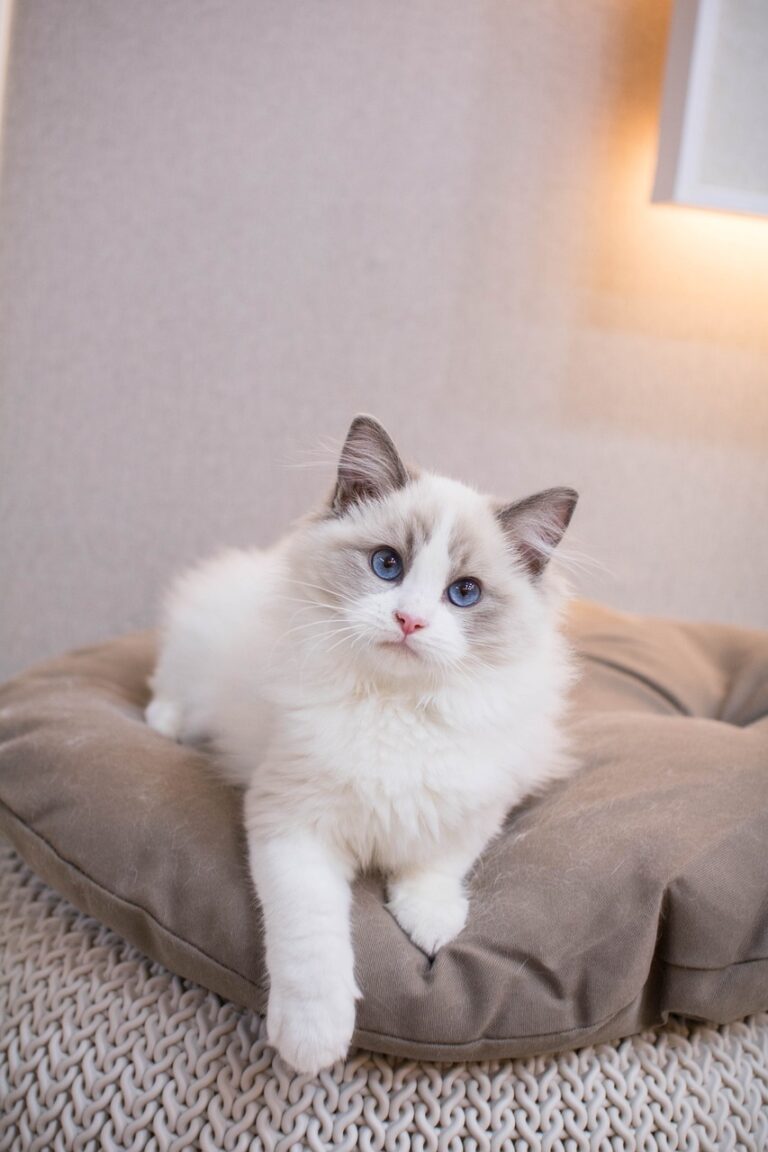
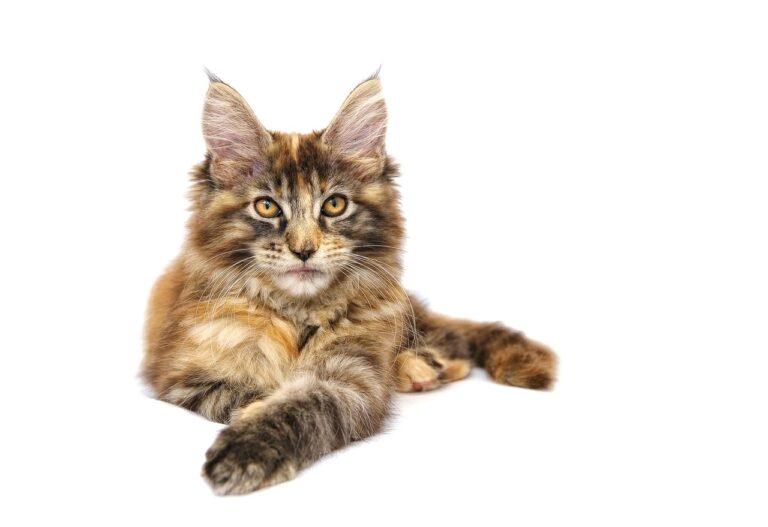
| More from us | You are here | Ragdoll kittens | Maine Coon kittens |
Bringing your Bengal kitten home: the first week
- Set up one quiet room with a litter tray, food, water, a bed and a scratching post, and let the kitten explore the rest of the home slowly.
- Keep feeding the food it already eats for the first week, then change gradually over seven to ten days.
- Do not give cow’s milk; most cats cannot digest it and get diarrhoea.
- Fit safety netting on balconies and windows before the kitten arrives. Falls from high-rise flats are one of the commonest injuries vets see in Indian cities.
- Book a check-up with your own vet within the first few days and take the kitten’s records with you.
Kitten vaccinations and deworming
Ask us exactly which vaccinations and deworming your kitten has had, and take that record to your vet. As a general guide, kittens need:
| Age | What vets usually give |
|---|---|
| 8–9 weeks | First core vaccine (panleukopenia, herpesvirus, calicivirus) |
| 12 weeks | Second core vaccine; first rabies vaccine is often given from 12 weeks |
| 16 weeks | Final kitten core vaccine |
| Every 2 weeks to 3 months, then monthly to 6 months | Deworming |
| Yearly | Boosters as your vet advises, including rabies |
Your vet may adjust this for your city and your kitten’s history. Keep the kitten indoors until the course is complete.
How to spot a fake kitten seller
- Photos that look like a professional studio shoot, or appear on other websites, are often copied. Ask for a live video call instead.
- Ask to see the mother cat and the kitten together on that video.
- Be wary of any seller who wants full payment before a video and a look at the papers.
- Very cheap “pedigree” kittens are usually crosses. A fair price for the breed is your first check.
How to book a Bengal kitten with Puppy Hub
- WhatsApp us on +91 92119 10059 with your city and whether you want a male or a female.
- We send photos and a live video of the kittens available, with the mother.
- Choose your kitten and we confirm its papers and microchip number.
- We arrange delivery to your city.
Delivery anywhere in India
We deliver kittens to any city in India by train or flight, in a ventilated carrier and with the kitten’s records. The cost depends on your city and the travel route; call +91 92119 10059 for a quote.
More cats on Puppy Hub
See all our breeds on the kittens for sale in India page, or compare:
Looking for a dog instead? See all our dog breeds.
Questions about Bengal kittens
What is the price of a Bengal kitten in India?
A kitten costs ₹30,000 to ₹1,05,000 with us, depending on the parents, pattern and colour. Every kitten comes with papers and a microchip.
Is a Bengal cat legal in India?
A pet bred many generations away from the wild leopard cat is a domestic cat. The leopard cat itself is a protected species, so avoid early-generation hybrids and any seller offering wild cats.
Are Bengal cats good pets?
Yes, for active owners who play with them every day. They are affectionate and clever but very energetic.
Can a Bengal cat live in Indian heat?
Yes. Its short coat copes far better than long-haired breeds; keep water and shade available in summer.
Do Bengal cats like water?
Many do. They often play in water bowls, taps and even showers.
Do Bengal cats shed?
Very little. The short coat needs only a weekly brush.
How big do Bengal cats get?
Males usually weigh 4.5–7 kg and females 3.5–5.5 kg.
How long do Bengal cats live?
Usually 12 to 16 years.
Do you deliver Bengal kittens across India?
Yes, by train or flight to any city. Call +91 92119 10059 for the cost to your city.