
Ragdoll Kittens in India: Price, Colours and Living With One
A Ragdoll kitten costs ₹55,000 to ₹1,30,000 with us, with papers and a microchip, and we deliver anywhere in India. It is a large, calm, blue-eyed cat with a soft semi-long coat, famous for going limp when picked up. It is gentle with children, happy indoors and one of the easiest pedigree cats to live with in a flat.
Written by the Puppy Hub team in Delhi NCR — placing healthy puppies and kittens with families across India. Last updated 25 November 2026.
Ragdoll kittens available now
Litters change from week to week, so the quickest way to see who is ready today is WhatsApp. Tell us your city, the colour you prefer and whether you want a male or a female, and we will send current photos and videos of the Ragdoll kittens we have.
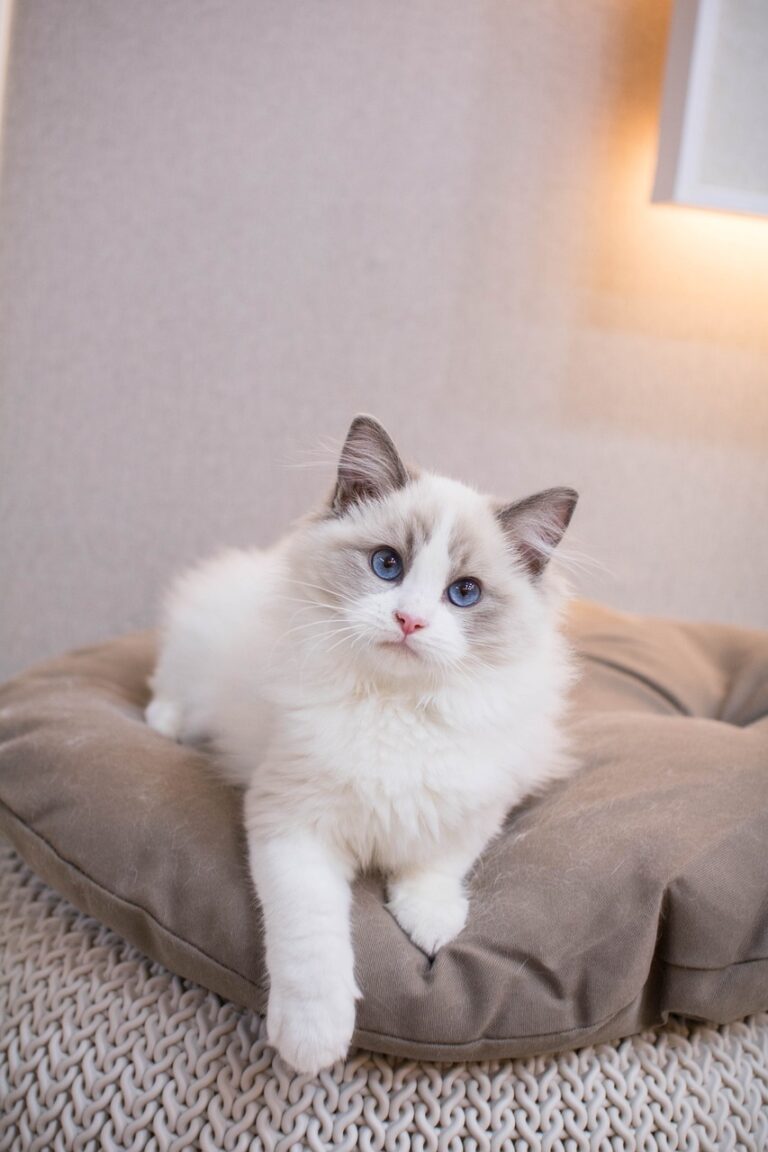
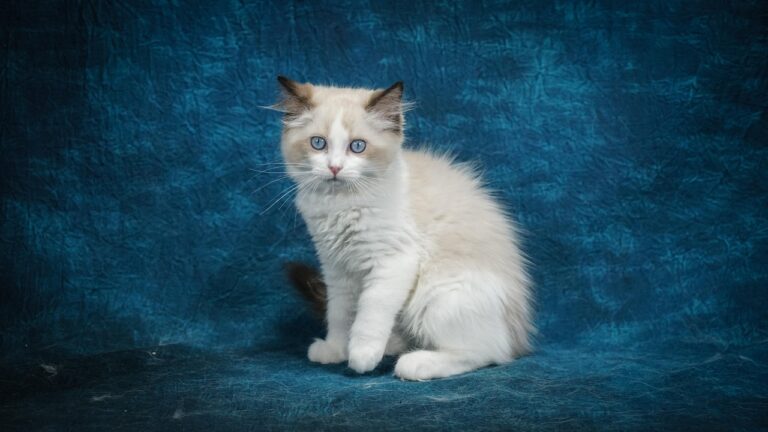
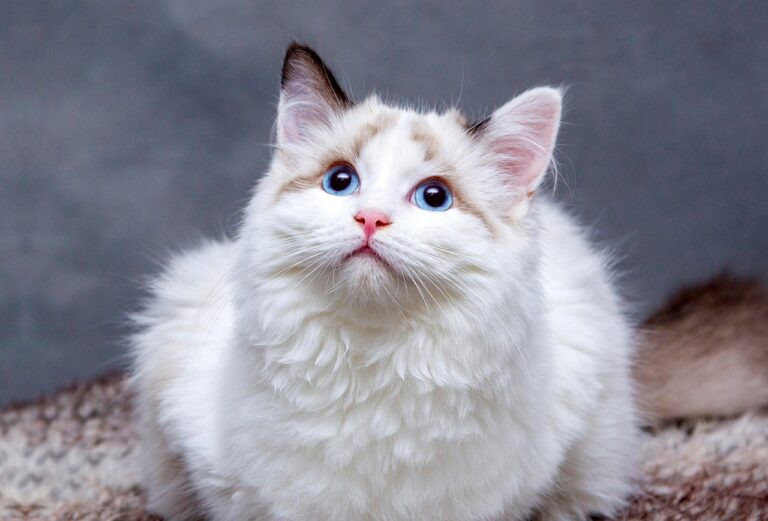
Photos show the breed. Before you book, we send a live video of the actual Ragdoll kitten, its mother and its papers.
Every kitten we place comes with its papers and a microchip, and we arrange delivery anywhere in India.
WhatsApp us for available Ragdoll kittens
Ragdoll photos: kittens and adults
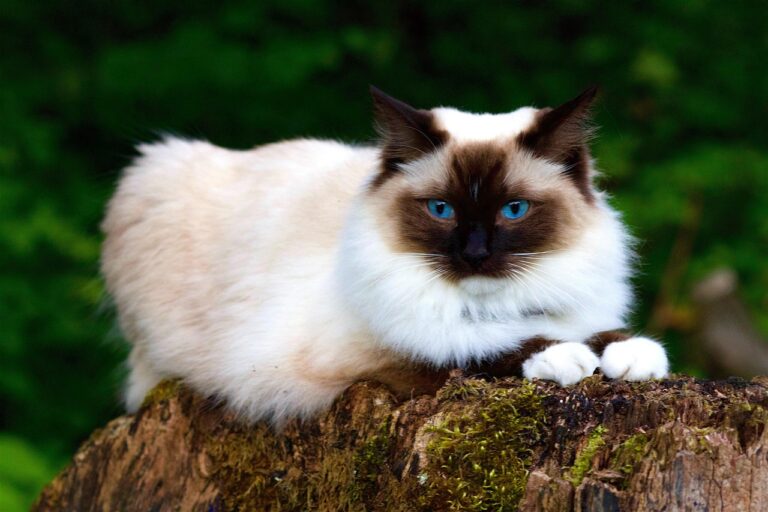
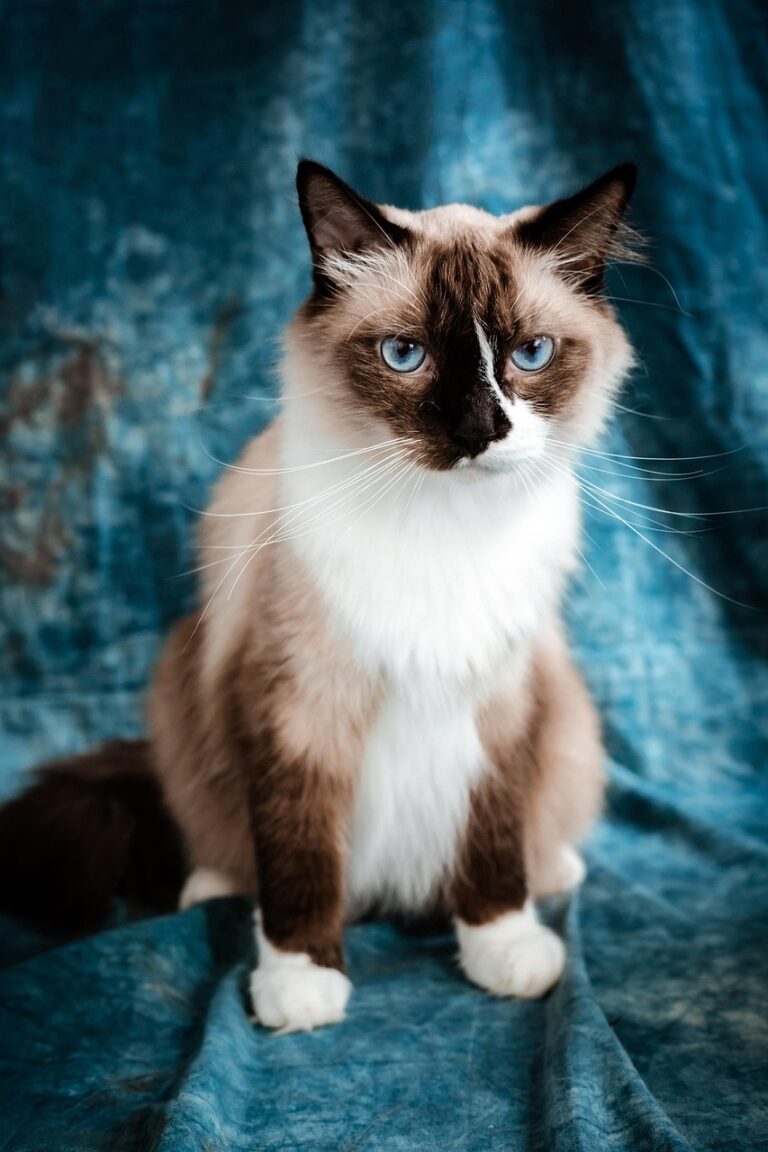
These cats all have blue eyes and a pale body with darker points on the face, ears, legs and tail. These photos show kittens and grown cats in the common colours and patterns.
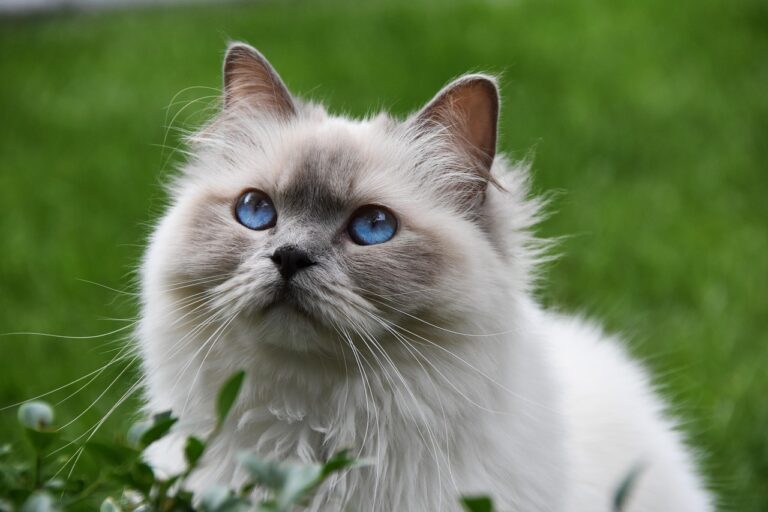
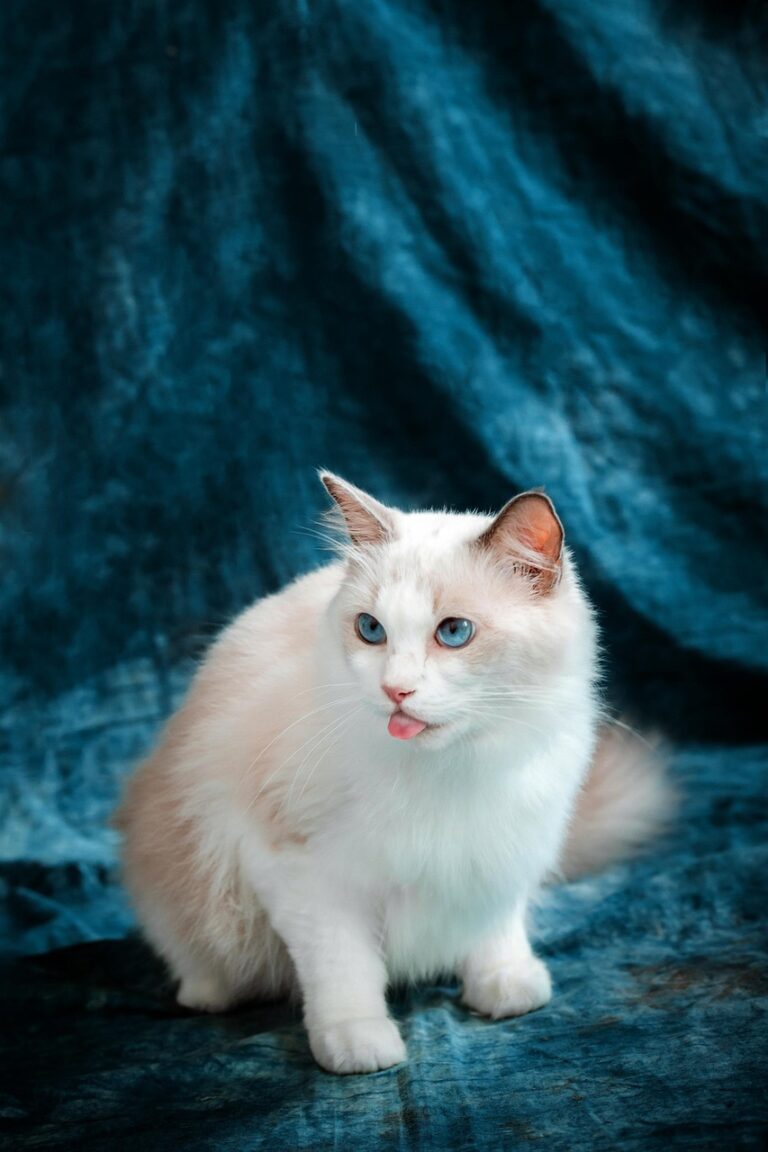
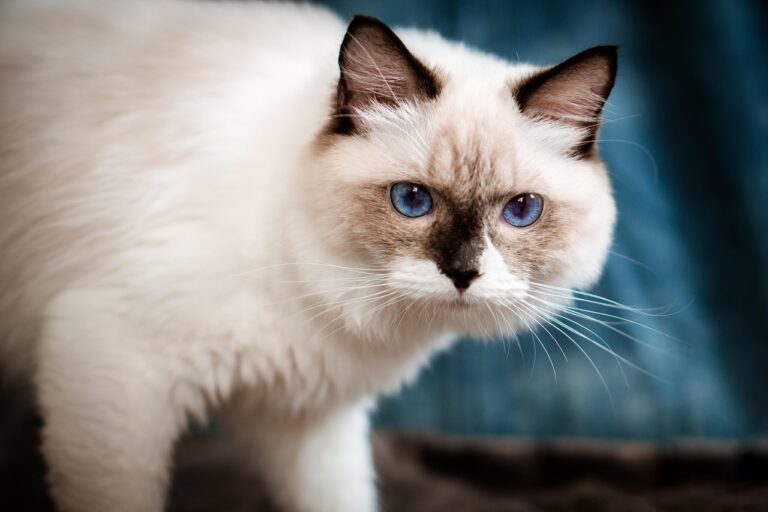
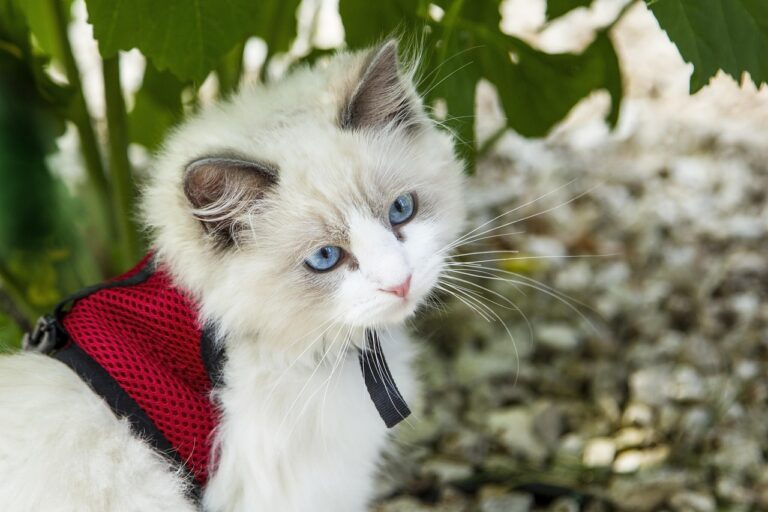
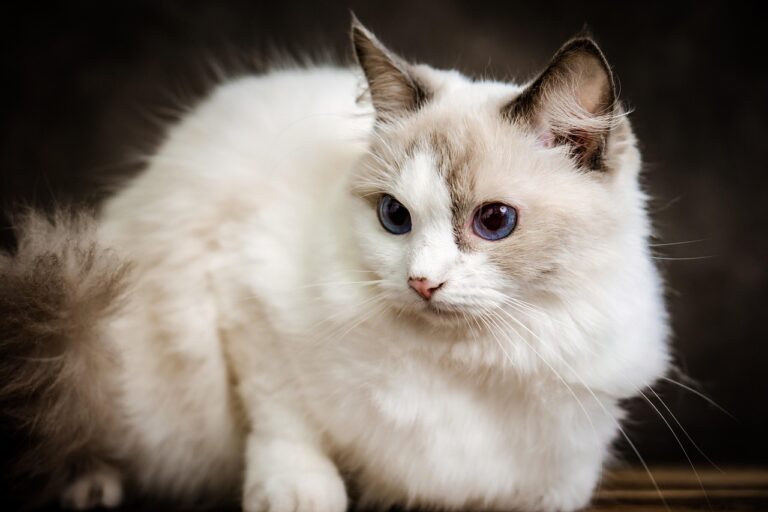
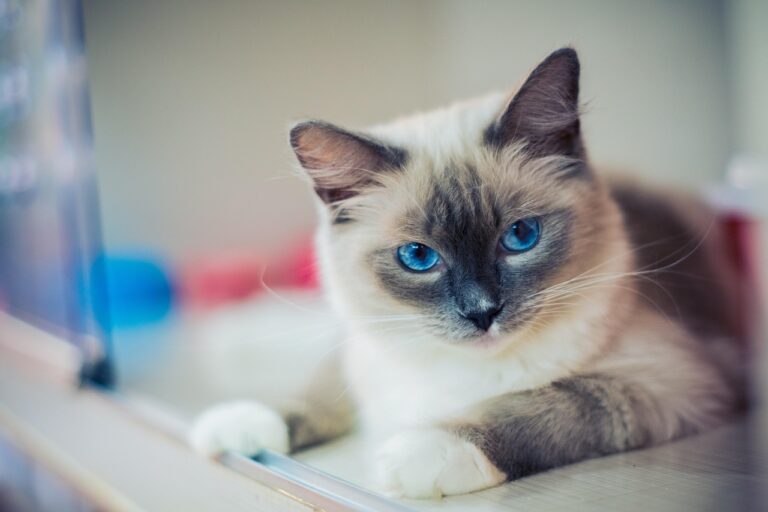
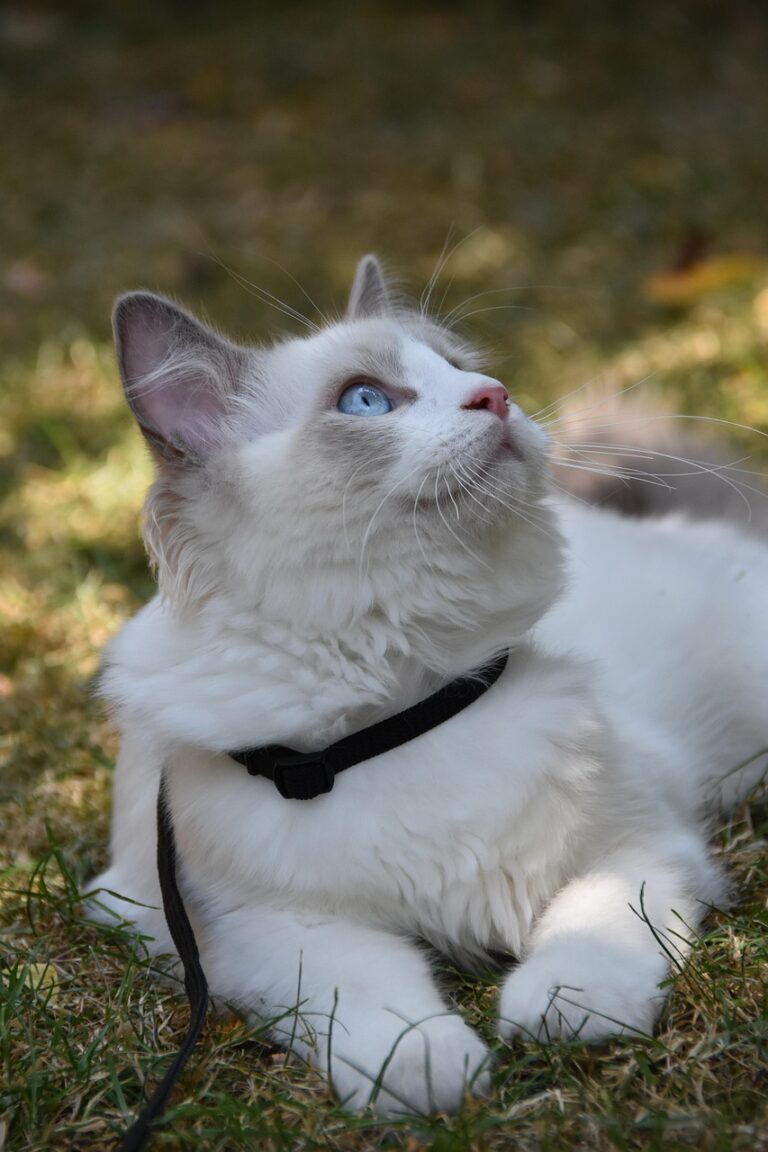
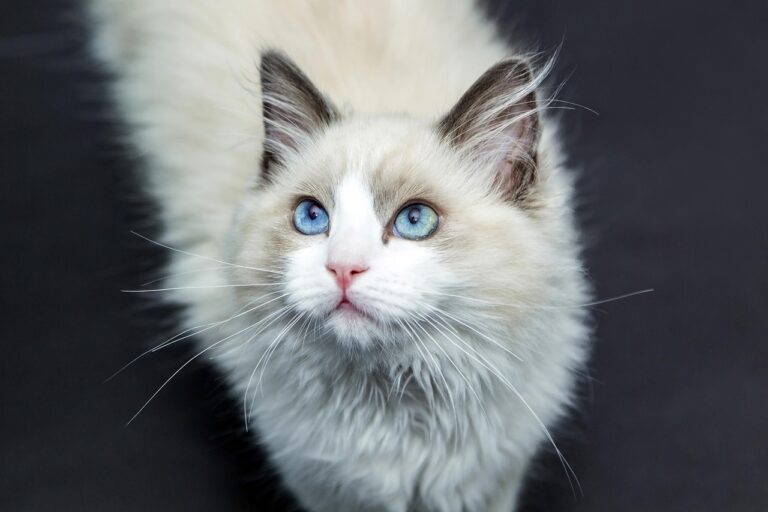
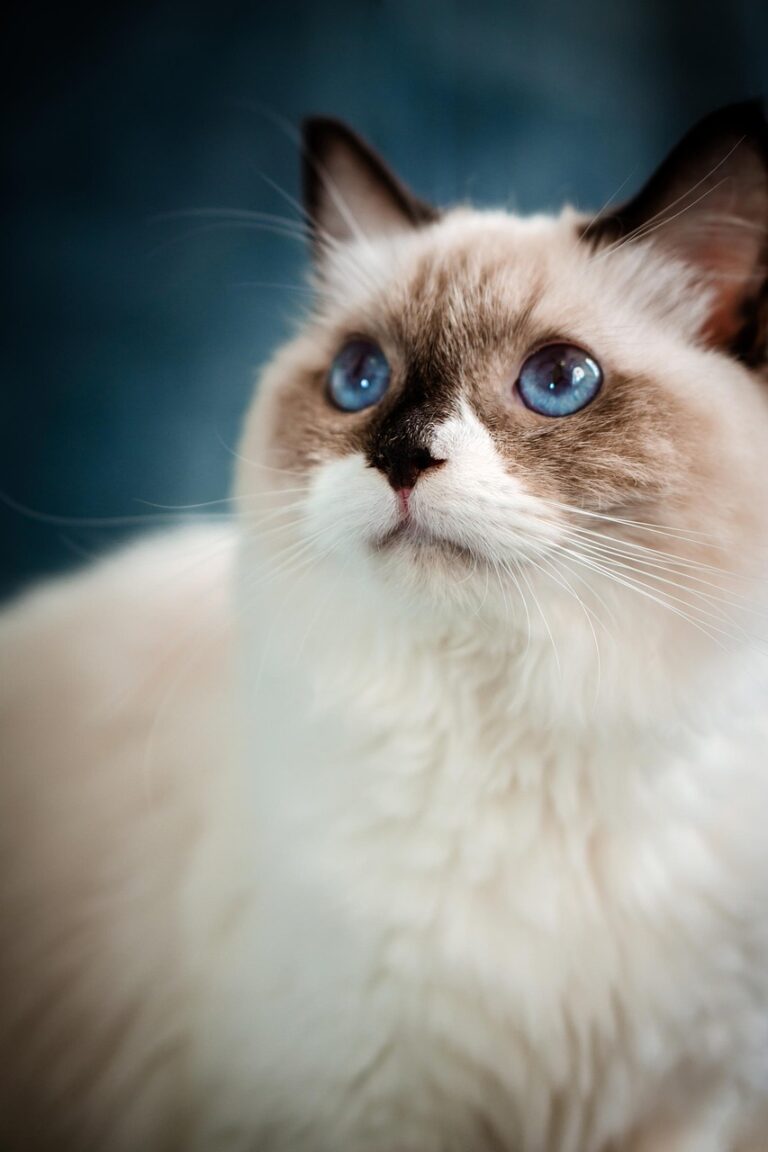
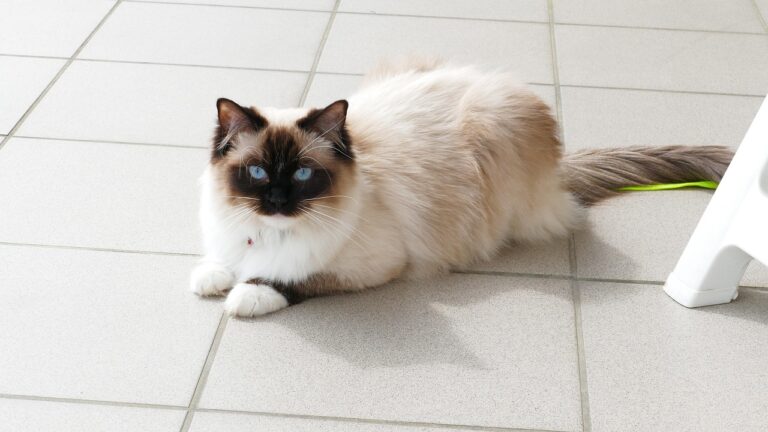
These are Pixabay stock photos that show the breed, not our own puppies. For real photos and videos of the Ragdoll puppies available now, message us on WhatsApp.
What a Ragdoll is really like
The Ragdoll was developed in Riverside, California, in the 1960s by a breeder named Ann Baker, from a long-haired white cat called Josephine and her kittens. The name comes from the breed’s habit of relaxing completely, like a rag doll, when you pick it up.
It is one of the gentlest cats you can own: affectionate, calm, patient with children and other pets, and quiet-voiced. Many follow their owners from room to room and greet them at the door, which is why people call them puppy-like. It is not much of a climber or a hunter and is happiest as an indoor cat.
Before you book: who a Ragdoll suits
- Good fit: flats, families with children, first-time cat owners, homes with a calm dog.
- Think twice: if the cat would be alone all day every day; they like company.
- Indoor only: their trusting nature makes them easy targets outdoors. Fit netting on balconies and windows.
Ragdoll size, weight and lifespan
| Male | Female | |
|---|---|---|
| Adult weight | About 6.5–9 kg | About 4.5–6.5 kg |
| Coat | Semi-long, silky, little undercoat | Semi-long, silky, little undercoat |
| Eyes | Always blue | Always blue |
| Lifespan | 12–17 years | 12–17 years |
| Fully mature | 3–4 years | 3–4 years |
The breed is one of the largest domestic cat breeds and grow slowly; a two-year-old is still filling out.
Ragdoll price in India (rate list 2026)
| Kitten | Rate / price |
|---|---|
| With papers and microchip | ₹55,000 – ₹1,30,000 |
| What moves the price within the range | Parents, colour and pattern, eye colour, gender |
Many fluffy, blue-eyed kittens sold under this name in India are Persian or Himalayan crosses. A true one has a longer body, a softer, less woolly coat and a relaxed temperament. We send a live video of the actual kitten and its mother before you pay.
In Tamil Nadu, Kerala, Karnataka, Andhra Pradesh and Telangana many families search for the Ragdoll rate rather than the price. The rate list above is the same one we quote everywhere in India.
Ragdoll colours and patterns
| Pattern | What it looks like |
|---|---|
| Colourpoint | Pale body, darker face, ears, legs and tail; no white |
| Mitted | Like colourpoint, with white paws, chin and chest |
| Bicolour | White inverted V on the face, white legs and belly |
| Colours | Seal (dark brown), blue (grey), chocolate, lilac, red and cream |
| Lynx and tortie | Tabby stripes or patches within the points |
Kittens are born almost white. The points darken over the first weeks and the full colour takes two to three years to develop.
How Ragdoll kittens grow
| Age | Typical weight | What is happening |
|---|---|---|
| 3 months | 1–1.5 kg | Points still pale; very playful |
| 6 months | 2.5–3.5 kg | Coat lengthening; points darkening |
| 1 year | 4–6 kg | Looks grown but still filling out |
| 2 years | 5–8 kg | Coat and colour close to final |
| 3–4 years | Adult weight | Fully mature |
Figures are typical ranges; females sit at the lower end. Because the breed matures slowly, keep feeding a growth formula for the first year and switch to adult food only when your vet agrees.
Three common myths
- “They do not feel pain.” False. The relaxed, floppy way they lie in your arms is temperament, not a lack of feeling. They feel pain like any cat and can hide it, so watch for changes in eating, litter use and hiding.
- “This breed is hypoallergenic.” False. No cat breed is. People with allergies react to a protein in saliva and skin, which every one of them has.
- “Any fluffy cat with blue eyes is a Ragdoll.” False. Himalayans, Birmans and many crosses also have blue eyes and pale bodies. Body length, coat texture, temperament and the parents tell you what you are buying.
Setting up your home for an indoor cat
A calm, people-loving cat does best with a home that meets its needs without going outside. Give it at least two litter trays in quiet corners, scooped every day and washed weekly. Put a tall, sturdy scratching post near the sofa it would otherwise use, and a shelf or cat tree by a window so it can watch the street or the birds. Rotate a few toys each week so they stay interesting, and keep strings, rubber bands and hair ties out of reach, since cats swallow them. Many families in Indian cities also fit a simple mesh on one window so the cat can sit in fresh air safely. A quiet hiding spot, such as a covered bed or a box, helps a new kitten feel secure during its first weeks.
Grooming and Indian heat
The coat has little undercoat, so it mats far less than a Persian’s. Brush twice a week with a wide-toothed comb, more during spring and autumn shedding, and check behind the ears and under the legs, where tangles start.
Indoors, this cat copes with Indian weather if it has a cool room through the hottest afternoons from April to June. Leave fresh water in two or three places and never shave the coat to the skin. Open-mouth panting means the cat is too hot: move it somewhere cool and call a vet.
Feeding and play
Feed a good kitten food in three or four small meals a day until six months, then two measured meals. These cats are relaxed and put on weight easily, so keep treats small. Two short play sessions a day with a wand toy keep them fit and happy, and a scratching post and a window perch give an indoor cat something to do.
Ragdoll health: what to ask before you buy
| Condition | What it is | What to ask |
|---|---|---|
| Hypertrophic cardiomyopathy (HCM) | A thickening of the heart muscle | Whether the parents are DNA-tested for the breed’s HCM gene |
| Polycystic kidney disease | Cysts in the kidneys, from Persian lines | Whether the parents are DNA-tested |
| Urinary and bladder problems | More common in cats that drink little | Encourage drinking; add wet food |
| Obesity | Easy weight gain in a calm cat | Measured meals and daily play |
| Dental disease | Tartar and gum problems | Regular vet dental checks |
With healthy parents it commonly lives 12 to 17 years.
Ragdoll, Maine Coon or Persian?
| Ragdoll | Maine Coon | Persian | |
|---|---|---|---|
| Adult weight | 4.5–9 kg | 4–11 kg | 3–6 kg |
| Coat care | Twice a week | Two or three times a week | Daily |
| Temperament | Calm, cuddly | Playful, dog-like | Quiet, placid |
| Activity | Low | Moderate | Low |
| More from us | You are here | Maine Coon kittens | Ask us |
Bringing your Ragdoll kitten home: the first week
- Set up one quiet room with a litter tray, food, water, a bed and a scratching post, and let the kitten explore the rest of the home slowly.
- Keep feeding the food it already eats for the first week, then change gradually over seven to ten days.
- Do not give cow’s milk; most cats cannot digest it and get diarrhoea.
- Fit safety netting on balconies and windows before the kitten arrives. Falls from high-rise flats are one of the commonest injuries vets see in Indian cities.
- Book a check-up with your own vet within the first few days and take the kitten’s records with you.
Kitten vaccinations and deworming
Ask us exactly which vaccinations and deworming your kitten has had, and take that record to your vet. As a general guide, kittens need:
| Age | What vets usually give |
|---|---|
| 8–9 weeks | First core vaccine (panleukopenia, herpesvirus, calicivirus) |
| 12 weeks | Second core vaccine; first rabies vaccine is often given from 12 weeks |
| 16 weeks | Final kitten core vaccine |
| Every 2 weeks to 3 months, then monthly to 6 months | Deworming |
| Yearly | Boosters as your vet advises, including rabies |
Your vet may adjust this for your city and your kitten’s history. Keep the kitten indoors until the course is complete.
How to spot a fake kitten seller
- Photos that look like a professional studio shoot, or appear on other websites, are often copied. Ask for a live video call instead.
- Ask to see the mother cat and the kitten together on that video.
- Be wary of any seller who wants full payment before a video and a look at the papers.
- Very cheap “pedigree” kittens are usually crosses. A fair price for the breed is your first check.
How to book a Ragdoll kitten with Puppy Hub
- WhatsApp us on +91 92119 10059 with your city and whether you want a male or a female.
- We send photos and a live video of the kittens available, with the mother.
- Choose your kitten and we confirm its papers and microchip number.
- We arrange delivery to your city.
Delivery anywhere in India
We deliver kittens to any city in India by train or flight, in a ventilated carrier and with the kitten’s records. The cost depends on your city and the travel route; call +91 92119 10059 for a quote.
More cats on Puppy Hub
See all our breeds on the kittens for sale in India page, or compare:
Looking for a dog instead? See all our dog breeds.
Questions about Ragdoll kittens
What is the price of a Ragdoll kitten in India?
A kitten costs ₹55,000 to ₹1,30,000 with us, depending on the parents, colour and pattern. Every kitten comes with papers and a microchip.
Why is it called a Ragdoll?
Because many of these cats relax completely and go limp, like a rag doll, when picked up.
Are Ragdoll cats good for flats?
Yes. They are calm, quiet and happy indoors, and need only short daily play sessions.
Do Ragdolls shed a lot?
Moderately. Their coat has little undercoat, so it sheds and mats less than many long-haired breeds.
Do Ragdolls always have blue eyes?
Yes. Blue eyes are part of the breed standard.
Can a Ragdoll live in Indian heat?
Yes, indoors, with a cool room through the hottest afternoons in summer and fresh water always available.
How big do Ragdolls get?
Males usually weigh 6.5–9 kg and females 4.5–6.5 kg. They are fully grown at three to four years.
How long do Ragdolls live?
Usually 12 to 17 years.
Do you deliver Ragdoll kittens across India?
Yes, by train or flight to any city. Call +91 92119 10059 for the cost to your city.